Impact of economic conditions on consumer spending habits

Consumer spending habits are heavily influenced by economic conditions. In times of prosperity, individuals tend to spend freely on luxury items and experiences. However, during economic downturns, people typically become more cautious with their finances, prioritizing essential purchases and saving for the future. High unemployment rates and uncertain job stability often lead to decreased consumer confidence and reduced spending on non-essential goods. As a result, businesses may experience decreased sales, impacting their overall profitability and potentially leading to downsizing and cost-cutting measures. Understanding the ebbs and flows of consumer behavior in relation to economic conditions is crucial for businesses to adapt and thrive.
Read more
Electric vehicle market trends

The electric vehicle market is experiencing rapid growth, with an increasing number of consumers opting for eco-friendly transportation. Sales of electric cars have surged in recent years, driven by advances in technology and growing awareness of environmental issues. Government incentives and expanding charging infrastructure have also contributed to the rising popularity of electric vehicles. As more automakers introduce new models with improved range and performance, the market continues to evolve. The shift towards electric vehicles symbolizes a transition to a sustainable future, where clean energy sources power our transportation needs. The momentum in the electric vehicle market shows no signs of slowing down.
Read more
Berkshire Hathaway’s performance analysis

Berkshire Hathaway, Warren Buffett's famed conglomerate, has shown resilient performance over the years. The company's financial stability and long-term investment approach have been key factors in its success. By analyzing Berkshire Hathaway's performance metrics, investors can gain valuable insights into the company's strategic decisions and market positioning. Examining key indicators such as revenue growth, profit margins, and shareholder returns can provide a comprehensive view of Berkshire Hathaway's financial health. Investors should also consider factors like industry trends and competitive landscape to evaluate Berkshire Hathaway's performance accurately. With a prudent assessment of these factors, investors can make informed decisions regarding their investments.
Read more
Tax implications of investment decisions

When making investment choices, it's crucial to consider how taxes will impact your returns. Taxes can eat into your profits, affecting your overall financial gains. Understanding the tax implications of different investments can help you optimize your tax strategy. Capital gains taxes vary based on how long you hold an asset. Short-term gains are taxed at higher rates than long-term gains. Additionally, dividends and interest income are subject to different tax rates. Working with a financial advisor or tax professional can help you navigate the complexities of tax laws and make informed investment decisions. Proper planning can minimize your tax liabilities and boost your investment outcomes.
Read more
Investing in ETFs for conservative investors

Conservative investors often choose ETFs for their diversified portfolios and low cost. Exchange-traded funds track various indexes, providing exposure to different asset classes. These investment vehicles offer flexibility and liquidity, making them attractive options for conservative individuals. ETFs also offer transparency and tax efficiency, which can be advantageous for long-term investment strategies. For those seeking steady growth and risk management, ETFs can be a suitable choice. By carefully selecting ETFs that align with their investment goals, conservative investors can build a well-balanced portfolio. Research and consultation with financial advisors can help in making informed decisions when investing in ETFs.
Read more
Impact on shareholder sentiment

The impact on shareholder sentiment can profoundly influence stock prices and company performance. Shareholders' beliefs and perceptions about a company's actions and decisions can sway market dynamics and future investments. Positive news and outcomes often lead to increased confidence and investment, driving stock prices higher. Conversely, negative developments can cause shareholders to lose faith, triggering a drop in stock value. Understanding and managing shareholder sentiment is crucial for companies to maintain a favorable market position and investor trust. The emotional responses of shareholders to company events and decisions play a significant role in shaping the financial landscape.
Read more
Impact of Warren Buffett’s stock decisions on market trends
Warren Buffett's stock decisions drive market trends, influencing investors globally. His strategic investments create ripples in financial markets, inspiring confidence among stakeholders. Observers closely monitor his moves, analyzing the impacts on stock prices and industry dynamics. Buffett's choices reflect wisdom and foresight, guiding the way for market participants. The billionaire's insights and actions spark optimism, setting tones for market sentiment. His calculated risks and long-term vision shape the investment landscape, shaping market direction. Buffett's stock picks become beacons of stability and growth, attracting followers seeking stability. The Oracle of Omaha's influence extends beyond stocks, echoing through the financial world.
Read more
Impact of investor behavior on stock prices
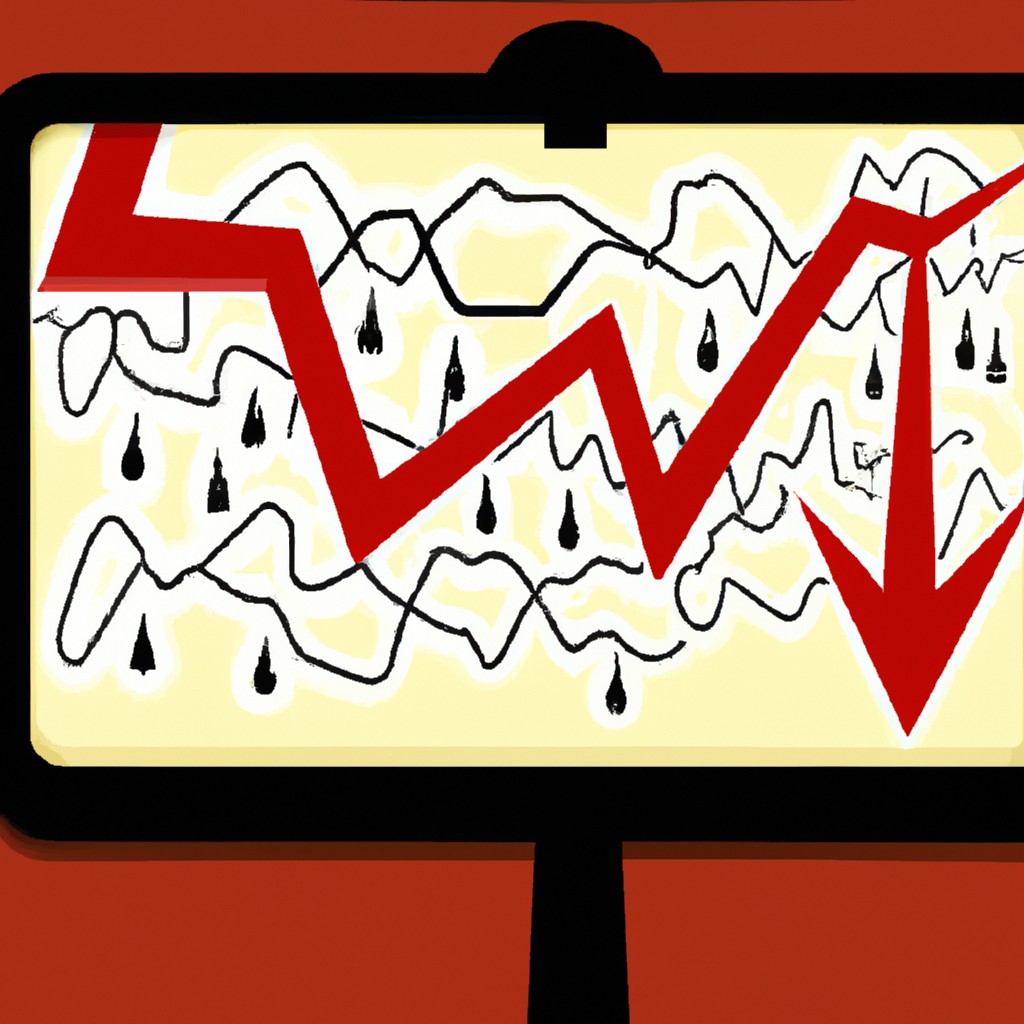
Investor behavior greatly influences stock prices through emotions, psychology, and market sentiment. Fear and greed can drive rapid price fluctuations in response to news and events. Emotional decision-making often leads to overreaction or underreaction in the market. Investors' perceptions of risk and reward play a crucial role in stock price movements. Market psychology can create trends and bubbles that impact stock valuations. Understanding and managing investor behavior is crucial for successful investing in the stock market. Recognizing patterns and biases can help predict market movements and make informed decisions. Overall, investor behavior is a significant factor in determining stock prices in the financial markets.
Read more
Greg Abel’s background and experience

Greg Abel, born in 1962, hails from Edmonton, Canada. He holds a degree in accounting. Abel's career began at Price Waterhouse. With devotion and skill, he advanced at the GE Capital business. His path led to Berkshire Hathaway, where he's now vice chairman. Abel plays a crucial role, poised to succeed Warren Buffett. Known for his integrity and strategic thinking, he's highly respected in the business world. His leadership has been pivotal in Berkshire's success and growth. Abel's expertise in operations and finance is widely acknowledged. His grounded approach and focus on long-term value creation set him apart.
Read more
Future investing strategy of Berkshire Hathaway
Berkshire Hathaway's future investing strategy focuses on long-term growth through undervalued stocks and solid businesses. Warren Buffett's careful analysis of financial data and company fundamentals guides investment decisions. The company prioritizes stable industries, such as insurance and utilities, with predictable cash flows. Berkshire's approach involves holding investments for periods, rather than frequent trading. This patient strategy allows compounding returns and minimizes transaction costs. The company emphasizes transparency and ethics in its investments, fostering trust among shareholders. Berkshire's diversified portfolio cushions against market fluctuations, providing stability during economic downturns. By staying true to its principles, Berkshire Hathaway navigates uncertain markets prudently yet profitably.
Read more