Reasons for slower growth in China’s exports and imports

China's exports and imports face slower growth due to global economic uncertainties and trade tensions. The country's stricter environmental policies also impact manufacturing activities, affecting trade volume. Furthermore, the ongoing pandemic disrupts global supply chains, leading to reduced demand for goods. In addition, shifting consumer preferences and rising labor costs contribute to the deceleration in exports and imports. The Chinese government's focus on domestic consumption as a growth driver further impacts international trade. These factors collectively contribute to the challenging landscape that China's export and import sectors currently navigate, influencing the overall slower growth in trade activities.
Read more
Local debt problems in China

Local debt problems in China have been a growing concern among policymakers and economists. Provinces and municipalities have accumulated substantial debt, leading to financial strain and potential risks. The complexity of the issue stems from the interconnected nature of local governments and businesses. Authorities are working to address these challenges through various measures, such as debt restructuring and increased oversight. However, the situation remains precarious, with the potential for cascading effects on the national economy. It is crucial for China to implement effective strategies to manage and reduce local debt levels to ensure long-term financial stability and sustainable growth.
Read more
Interest rate policy during economic uncertainty

Amid economic uncertainty, adjusting interest rates can stabilize the economy, impacting borrowing, spending, and investment. Central banks closely monitor economic indicators, adjusting rates accordingly. Lower rates stimulate economic activity, encouraging borrowing and spending. In uncertain times, lower rates can provide a boost. However, policymakers must balance the potential risks associated with lower rates. Higher rates can help control inflation but may hinder borrowing. During uncertainty, a cautious approach is essential, carefully assessing the economic landscape and making informed decisions. The effectiveness of interest rate policies during these times depends on various factors, requiring careful consideration and strategic planning.
Read more
Insider trading regulations in the stock market
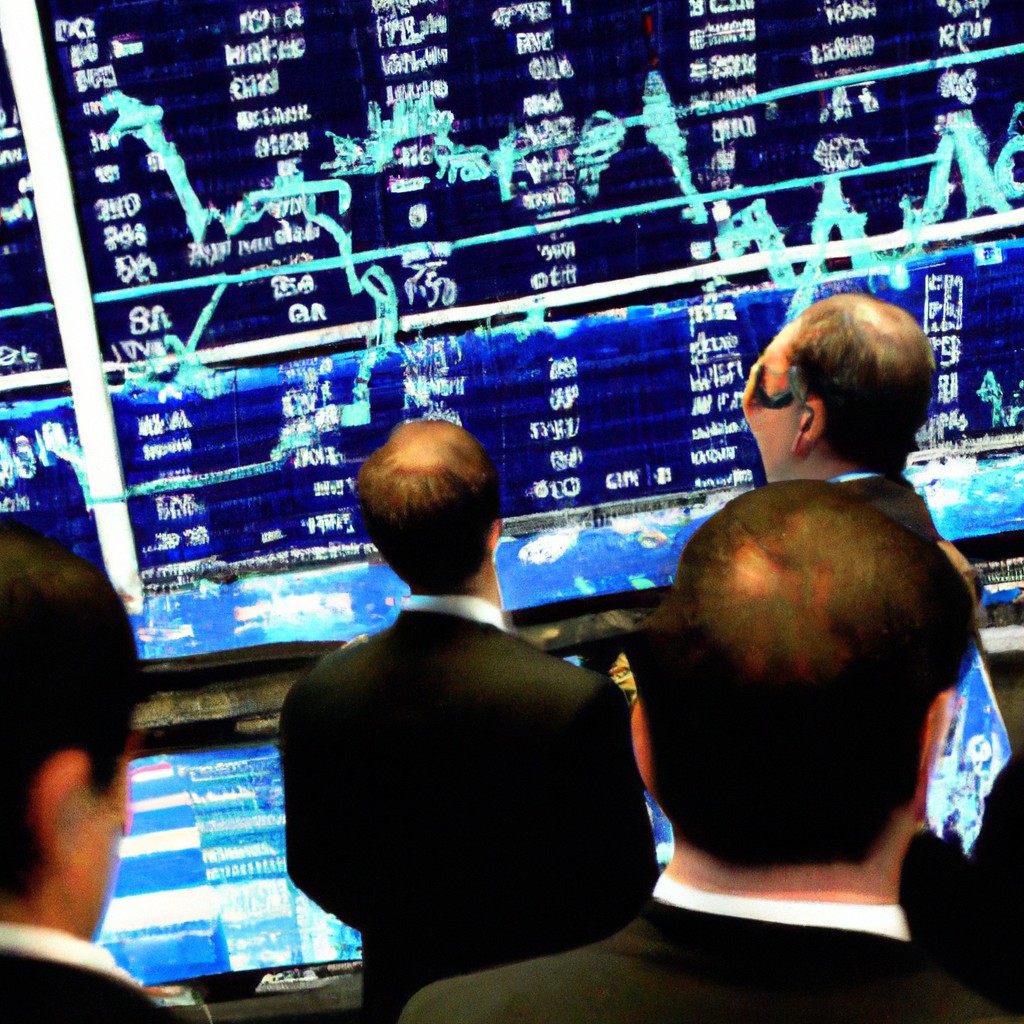
Insider trading regulations aim to ensure fairness in stock markets. Individuals with confidential information cannot trade for personal gain, preventing market manipulation. These rules maintain integrity and protect all investors. Violations can lead to severe penalties like fines or imprisonment. These regulations promote transparency and trust in the financial system, benefiting market participants. Insiders must disclose their trades promptly to avoid suspicion of wrongdoing. Market stability relies on upholding these rules, preventing unfair advantages and maintaining a level playing field for all traders. Overall, insider trading regulations play a crucial role in safeguarding the integrity of stock markets.
Read more
Impact on global trade and economy

Global trade and economy are intricately linked, impacting nations worldwide. Trade agreements affect economic growth. Tariffs can disrupt trade flow, leading to financial uncertainties. This uncertainty can harm businesses and consumers. Economic stability relies on skilled forecasts and proactive decisions. Government policies play a crucial role in influencing trade dynamics. Collaboration and communication between nations are essential. The interconnectivity of world economies emphasizes the importance of cooperation and mutual understanding. geopolitical tensions can destabilize trade relationships. Finding common ground is key to maintaining global economic stability. Adapting to changes and fostering innovation are vital for sustainable growth. A balanced approach is necessary for long-term prosperity in the global marketplace.
Read more
Impact of pro-Palestine protests on financial markets

Pro-Palestine protests can cause short-term market fluctuations due to increased political uncertainties. Investors monitor developments closely. Volatility often occurs in stocks with ties to the region. These protests instill caution in financial markets. Triggering reactions from global investors. Markets react sensitively to geopolitical tensions. Such protests can lead to temporary market dips. Investors assess the long-term impact. Pro-Palestine movements spark market jitters. The financial sector remains watchful. Ripples of uncertainty spread swiftly. Investors navigate the tumultuous markets. Protests inject uncertainty into financial realms. Traders react to unfolding events. Sharp price movements are not uncommon. Market sentiments fluctuate rapidly.
Read more
Impact of interest rate changes on various sectors

Interest rate changes have a significant impact on various sectors of the economy. For instance, the housing market experiences shifts in demand with rate adjustments. Businesses face altered borrowing costs affecting investment decisions. Consumer spending may fluctuate based on loan interest rates. The stock market can react to rate changes, influencing investor behavior and market volatility. Inflation rates can be affected by interest rate adjustments, influencing prices and purchasing power. Overall, interest rate changes have a ripple effect on the economy, touching different sectors in unique ways, making it crucial for stakeholders to stay informed and adapt accordingly.
Read more
History of pro-Palestine activism in New York City

Pro-Palestine activism in New York City dates back to the early 20th century. It evolved through grassroots movements and solidarity campaigns. Activists gathered to raise awareness about Palestinian struggles for self-determination. Over the years, demonstrations, cultural events, and educational workshops have grown in popularity. Supporters advocate for Palestinian human rights and justice amidst ongoing conflicts. The community continues to engage in peaceful protests and political advocacy. The diverse pro-Palestine movement in NYC amplifies voices and promotes dialogue for a peaceful resolution. Solidarity efforts aim to amplify marginalized narratives and foster empathy among the public. This vibrant activism reflects a deep commitment to global justice.
Read more
Investing in real estate stocks in China

Investing in real estate stocks in China offers opportunities for growth and diversification. The market shows resilience despite global economic challenges. Chinese real estate companies display strong performance and stable returns. Investors can benefit from the country's urbanization and infrastructure development. As China continues to urbanize rapidly, the demand for real estate remains high. This trend creates a promising outlook for real estate stocks. Investors should conduct thorough research and diversify their investments to manage risks effectively. As with any investment, careful consideration and monitoring are essential to navigate fluctuations in the market. Monitoring key indicators and market trends can help investors make informed decisions.
Read more
Increasing deficit impact on economy

The mounting deficit puts pressure on resources, leading to reduced public services and increased unemployment rates. Citizens bear the brunt through higher taxes, inflation, and unstable job markets. As the deficit grows, borrowing costs escalate, burdening future generations with significant financial liabilities. The economy struggles to recover as essential investments are postponed. Inadequate funds hinder infrastructure projects, healthcare services, and education opportunities. Government debt skyrockets, impacting the overall stability and prosperity of the nation. Urgent action is needed to address the deficit issue and prevent long-term negative consequences on the economy and society.
Read more