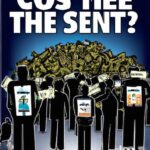
In January 2021, a remarkable event shook the financial world as small investors took on Wall Street giants. GameStop’s stock skyrocketed unexpectedly, causing frenzy and chaos in the market. Online forums like Reddit played a crucial role in organizing the “retail investor uprising”. Ordinary people united to challenge the traditional power dynamics of investing. The unexpected surge in GameStop’s value left hedge funds scrambling to cover their short positions, resulting in significant losses for them. This David versus Goliath battle highlighted the potential impact of collective action and the influence of individual investors in the ever-evolving landscape of the stock market.
Table of Contents
- Background and history of GameStop
- Effects on other heavily shorted stocks
- Impact of social media and online forums
- Lessons learned and future implications
- Market manipulation allegations
- Regulatory response and scrutiny
- Rise of the Reddit community
- Robinhood trading platform controversy
- Role of retail investors
- Short selling and short squeeze
(GameStop, Keith Gill, and what's different from the meme stock frenzy of 2021)
The GameStop stock market frenzy captured the world’s attention earlier this year. Small investors on social media banded together to drive the stock price to unprecedented highs. This caused chaos for hedge funds that had shorted the stock. The frenzy began on Reddit’s WallStreetBets forum, where users discovered that GameStop was heavily shorted. Retail investors saw an opportunity to collectively squeeze out the hedge funds. The battle between individual investors and institutional giants symbolized a shift in market dynamics. This David versus Goliath narrative resonated strongly with many people. As the stock price surged, traditional Wall Street players scrambled to make sense of the situation. The frenzy resulted in intense debates about market regulations and the power of social media in shaping financial markets. While the GameStop stock eventually plummeted, the saga highlighted the influence of retail traders in today’s market landscape. This unprecedented event served as a reminder of the unpredictability and excitement that can arise in the world of investing. Ultimately, the GameStop frenzy demonstrated the potential for collective action to challenge established norms in the financial world.
Background and history of GameStop
GameStop, a retail chain founded in 1984, has evolved into a major player in the video game industry. The company’s early years were marked by steady growth and expansion, with a focus on providing a wide range of games and accessories to its customers. GameStop’s popularity soared as video gaming became a mainstream form of entertainment in the late 1990s and early 2000s.
Over the years, GameStop solidified its position as a leading retailer of video games, consoles, and related merchandise. The company’s unique business model, which involved buying and selling used games, helped it stand out in a competitive market. GameStop also grew its presence through acquisitions, including the purchase of rival stores like EB Games.
Despite its initial success, GameStop faced challenges in the digital age. The rise of digital downloads and online retailers posed a threat to the company’s traditional brick-and-mortar stores. As a result, GameStop experienced declining sales and struggled to adapt to changing consumer preferences.
In recent years, GameStop has faced further pressures from investors and market fluctuations. The company’s stock price has been subject to volatility, with sharp rises and falls affecting shareholders and attracting widespread attention. The GameStop stock market frenzy of early 2021 saw retail investors banding together to drive up the stock price, causing chaos in the financial markets and leading to intense scrutiny of Wall Street practices.
Amidst the turmoil, GameStop’s history and background provide insight into the challenges and opportunities facing the company. As the video game industry continues to evolve, GameStop must find new ways to stay relevant and competitive in a rapidly changing landscape. The legacy of GameStop is intertwined with the dynamics of the stock market, reflecting the complex interplay between consumer trends, investor behavior, and corporate strategy.
Effects on other heavily shorted stocks
The GameStop stock market frenzy has caused ripple effects across heavily shorted stocks. Companies like AMC Entertainment Holdings, Nokia Corporation, and BlackBerry Limited have experienced similar surges in stock prices. The level of volatility seen in these stocks has raised concerns among investors and regulators. Despite facing scrutiny, retail traders have continued to target these heavily shorted stocks in hopes of disrupting traditional investment strategies. The intense speculation and trading activity have led to a reevaluation of risk management practices by institutional investors. The impact on other heavily shorted stocks highlights the power of collective action in financial markets. The sudden and dramatic fluctuations in stock prices have created challenges for both long and short-term investors. The phenomenon has ignited debates about market manipulation and the role of social media platforms in shaping investment decisions. Retail investors have found a sense of empowerment in challenging established norms and institutions. The increased attention on these stocks has drawn a spotlight on issues of transparency and market efficiency. The ongoing saga has reignited discussions about the democratization of investing and the influence of online communities on market dynamics. As the situation continues to unfold, it is clear that the repercussions of the GameStop frenzy extend far beyond just one individual stock. The interconnected nature of the market means that fluctuations in one stock can have cascading effects on others. Investors, analysts, and regulators are closely monitoring developments to understand the long-term implications of these events on the financial ecosystem. The resilience and adaptability of market participants will play a crucial role in shaping the future landscape of investing. Amidst the chaos and uncertainty, there is a sense of opportunity for innovation and evolution in the financial industry. The GameStop saga serves as a reminder of the ever-changing and unpredictable nature of markets and the importance of staying informed and adaptable in navigating volatile environments.
Impact of social media and online forums
Amid the frenzy of the GameStop stock market saga, social media and online forums played a pivotal role. These platforms facilitated the rapid dissemination of information and mobilized a community of retail investors to challenge traditional Wall Street institutions. Reddit’s WallStreetBets, a popular forum, emerged as a central hub where individual investors shared investment strategies and rallied support for buying GameStop shares.
Through the power of social media, small investors banded together to drive up the stock price of GameStop, causing substantial losses for prominent hedge funds that had bet against the company. This grassroots movement showcased the democratizing potential of online platforms, where ordinary individuals could challenge established financial norms and influence market dynamics.
The impact of social media and online forums in the GameStop saga also highlighted the volatility and unpredictability of modern financial markets. The rapid spread of information and viral trends on these platforms can lead to swift and dramatic shifts in stock prices, creating both opportunities and risks for investors.
Moreover, the GameStop frenzy underscored the need for regulatory bodies to adapt to the evolving landscape of digital communication. Authorities are now grappling with how to monitor and regulate online discussions that can spark market upheavals, all while preserving the principles of free speech and open access to information.
As the dust settles on the GameStop saga, one thing remains clear: social media and online forums have forever altered the dynamics of investing and trading. The power of collective action and community-driven movements can no longer be underestimated in shaping the future of finance. In this new era of digital empowerment, individual voices can resonate loudly and disrupt established norms, ushering in a more inclusive and transparent financial ecosystem.
(GameStop stock soars on Roaring Kitty livestream return)
Lessons learned and future implications
The GameStop stock market frenzy taught investors valuable lessons. One key lesson is the power of social media to influence financial markets. Redditors united and challenged traditional Wall Street investors, showcasing the strength of collective action. This event also highlighted the volatility and speculative nature of the stock market. Many inexperienced traders learned the risks of jumping into investments without a solid understanding. The frenzy exposed regulatory loopholes and the need for greater oversight in online trading platforms. It became evident that market manipulation and misinformation can have significant consequences. Retail investors realized the importance of conducting thorough research before making investment decisions. This experience emphasized the significance of financial literacy and education to navigate the complex world of investing. Moving forward, there are implications for the future of stock trading. Regulators may implement stricter rules to prevent market manipulation and protect investors. Online trading platforms might revise their policies to ensure transparency and fairness in trading activities. Investors may become more cautious and vigilant in monitoring market trends and news. The GameStop frenzy serves as a reminder of the unpredictable nature of the stock market and the importance of due diligence and risk management practices. Ultimately, this event has left a lasting impact on the financial industry, shaping future behaviors and regulations in the market.
Market manipulation allegations
Market manipulation allegations have stirred controversy in the GameStop stock market frenzy. Investors accuse hedge funds of manipulating stock prices. Retail investors claim to fight back against institutional dominance. Social media platforms buzz with discussions on market fairness. Speculation mounts about the impact of retail investors. Market analysts debate the legality of trading practices. Regulators face pressure to investigate alleged manipulation. Retail traders unite in a push for transparency. The GameStop saga highlights power struggles in financial markets. Questions arise about the ethics of short-selling practices. Public interest in market dynamics increases. Scrutiny on hedge fund strategies intensifies. The GameStop frenzy sparks calls for market reform. Investor confidence is shaken amidst allegations. Regulatory bodies grapple with complex market dynamics. Market volatility adds to the intensity of the situation. Retail investors fear market biases against them. Policymakers seek to address concerns over market fairness. The GameStop situation underscores the need for market oversight. Allegations of manipulation prompt calls for regulatory action. Market participants express mixed feelings about the controversy. The GameStop narrative reflects broader issues in the financial world. Transparency in trading practices becomes a focal point. GameStop’s stock saga puts a spotlight on market integrity. The public demands accountability from financial institutions. Global attention shifts to retail investors’ newfound influence. Eager eyes watch how the situation will unfold. The market manipulation allegations spark a broader conversation. Investors reflect on the impact of social media on markets. The GameStop frenzy serves as a lesson in market dynamics. The saga unfolds a new chapter in financial history. Vigilance against market manipulation becomes a rallying cry. Community support strengthens the resolve of retail investors. The GameStop story signals a changing landscape in finance. Individuals reevaluate their perceptions of market participation. The ripple effects of the GameStop saga reverberate globally. The spirit of market resilience shines through amidst challenges. The GameStop stock market frenzy illuminates the power of collective action.
Regulatory response and scrutiny
Regulatory response and scrutiny have heightened in the aftermath of the GameStop stock market frenzy. Authorities are monitoring the developments closely to ensure market stability and investor protection. Scrutiny focuses on the practices of retail investors, hedge funds, and online trading platforms. The unprecedented volatility in GameStop’s stock has sparked concerns about market manipulation and systemic risks. Regulators are assessing whether existing regulations are adequate to address emerging challenges in the digital era. The scrutiny extends to social media platforms, where discussions and recommendations can influence market dynamics. Regulators aim to strike a balance between promoting market efficiency and safeguarding against speculative excesses. Compliance with trading rules and transparency are essential for restoring trust in the financial system. Market participants are urged to adhere to ethical conduct and avoid actions that could undermine market integrity. The GameStop saga has exposed vulnerabilities in the traditional financial structures and raised questions about the democratization of finance. Regulators are exploring ways to enhance oversight and mitigate the risks associated with online trading and social media-driven speculation. The regulatory response is evolving to keep pace with the shifting dynamics of the modern financial landscape. Collaborative efforts among regulators, industry stakeholders, and investors are crucial to foster a resilient and fair market environment. Investor education and awareness are essential to empower individuals to make informed decisions and navigate the complexities of the stock market. The GameStop frenzy serves as a wake-up call for regulators to adapt to the new realities of digital trading and social media-driven market movements. Regulatory reforms may be necessary to address the challenges posed by technological advancements and changing market dynamics. Ultimately, the regulatory response seeks to uphold market integrity, protect investors’ interests, and maintain the stability of financial systems in the face of evolving market forces.
Rise of the Reddit community
The Reddit community played a pivotal role in the GameStop stock market frenzy, showcasing the power of collective action. Redditors astutely identified an opportunity to challenge traditional Wall Street practices. Their coordinated efforts caught the attention of the financial world, sparking widespread discussions on equity and market manipulation.
Amidst the chaos, a sense of unity blossomed among Reddit users, rallying together under a common cause. The decentralized nature of the platform allowed for diverse voices to contribute to the conversation. This inclusivity fueled the momentum behind the movement, fostering a shared sense of empowerment and purpose.
As the GameStop saga unfolded, individuals across Reddit forums shared insights, strategies, and encouragement. Collaborative analysis and information sharing became the norm, democratizing access to financial knowledge. The community’s collective wisdom transcended individual gain, emphasizing the significance of community-driven decision-making.
The Reddit community’s resilience and determination in the face of adversity were palpable. Despite facing criticism and skepticism, Redditors stood their ground, unyielding in their pursuit of change. The movement highlighted the potential for social media platforms to influence mainstream discourse and challenge conventional power dynamics.
The rise of the Reddit community as a force for social and economic change underscores the transformative impact of digital activism. Through their actions, Redditors disrupted established norms and redefined the boundaries of influence in the financial sector. Their ability to mobilize and organize effectively serves as a testament to the evolving landscape of online communities and their capacity to enact tangible change.
Robinhood trading platform controversy
The GameStop stock market frenzy initiated a wave of controversy surrounding the popular Robinhood trading platform. Retail investors, driven by social media hype, banded together in a bid to challenge institutional hedge funds. As the stock price surged, Robinhood made a polarizing move by restricting the purchase of GameStop shares. This decision sparked outrage among users and triggered accusations of market manipulation. The platform cited risk management reasons for the move, but many viewed it as favoring Wall Street over small investors. Critics condemned Robinhood for limiting trading freedoms and potentially benefiting larger financial entities. Users expressed dismay at feeling betrayed by a platform marketed as democratizing finance. The incident shed light on the power dynamics in the financial world and raised questions about fairness. Robinhood’s actions led to calls for increased transparency and scrutiny of trading platforms. The backlash reverberated across social media and traditional news outlets, drawing attention to the role of technology in finance. The controversy highlighted the tension between traditional financial systems and the emerging force of retail investor communities. It underscored the need for ethical guidelines and regulatory oversight in the evolving landscape of online trading. Amidst the chaos, some saw a rallying cry for a more inclusive and equitable market environment. The GameStop saga served as a wake-up call for both investors and regulators, signaling a new era of market dynamics. Despite the challenges and conflicts, the event emphasized the potential of collective action to challenge entrenched systems. The repercussions of the incident continue to ripple through the financial world, shaping the future of investing. As the dust settles, stakeholders are left to ponder the lessons learned and the path forward in a rapidly changing financial landscape.
Role of retail investors
Retail investors played a significant role in the GameStop stock market frenzy. They are individual investors who buy and sell securities for their personal accounts rather than on behalf of an institution or organization.
These small-scale investors collectively influenced the stock’s volatility and trading volume. Platforms like Reddit’s WallStreetBets forum served as a hub for retail investors to discuss stock picks, strategy, and market insights.
The retail investors’ involvement led to a surge in GameStop’s stock price, causing a short squeeze on hedge funds with substantial short positions. This unexpected turn of events captured widespread attention and sparked a financial revolution of sorts.
Many retail investors saw this as an opportunity to challenge the status quo and make significant profits. Some viewed it as a David versus Goliath battle, where ordinary individuals took on powerful Wall Street institutions.
The GameStop saga exemplified the democratization of investing, allowing individuals from all walks of life to participate in the financial markets actively. It empowered retail investors to have a collective impact on stock prices and market dynamics.
Despite facing criticism and skepticism from traditional market participants, retail investors demonstrated the power of collective action and social media in influencing market trends. They showcased the potential to disrupt the established norms of investing and trading.
Retail investors’ actions raised questions about market manipulation, regulatory oversight, and the dynamics of the modern financial system. The GameStop frenzy shed light on the growing influence of retail investors in the stock market and their ability to challenge conventional notions of investing.
Ultimately, the role of retail investors in the GameStop saga highlighted the evolving landscape of finance and the potential for individual investors to drive significant changes in the market. Their impact left a lasting impression on the financial world and sparked discussions about the future of investing.
Short selling and short squeeze
Short selling is a strategy used by investors to profit from a decline in a stock’s price. Traders borrow shares they believe will fall and sell them in the market. The hope is to buy the stocks back at a lower price to return to the lender, pocketing the difference.
In recent times, the GameStop stock market frenzy captivated the world’s attention. A group of individual investors, organized via social media platforms like Reddit, decided to take on prominent hedge funds that were heavily shorting GameStop stock. This led to a remarkable short squeeze.
A short squeeze occurs when a stock’s price rises sharply, forcing short sellers to buy back shares to cover their positions. This increased demand drives the stock price even higher, creating a feedback loop as more shorts scramble to cover.
GameStop stock experienced an unprecedented surge, causing significant losses for hedge funds that underestimated the power of retail investors banding together. This David vs. Goliath battle shook the financial markets and raised questions about market fairness and the influence of social media on stock trading.
Retail investors rallying behind GameStop saw this as an opportunity to challenge institutional investors’ dominance and redefine the dynamics of the market. The emotional investment in this movement went beyond financial gains; it symbolized a fight against the traditional financial system.
The intense volatility and unconventional trading strategies displayed during the GameStop saga highlighted the evolving landscape of the stock market. It showcased the power of collective action and the democratization of information and trading facilitated by online platforms.
As the dust settles on the GameStop frenzy, its impact reverberates through the financial world. It challenged the status quo, sparked debates on market regulations, and demonstrated the potential for retail investors to disrupt entrenched norms. The event will likely be studied for years to come as a seminal moment in the evolution of financial markets.