The economic impact of climate change

Climate change is having a profound impact on the global economy. Rising temperatures and extreme weather events threaten agriculture, infrastructure, and human livelihoods. The cost of adaptation and mitigation measures is skyrocketing, burdening countries already struggling with economic challenges. Industries such as tourism and agriculture are particularly vulnerable, with shifting patterns and diminishing resources. Small island nations and developing countries bear the brunt of these consequences, amplifying inequality. The economic consequences extend beyond financial losses; they disrupt supply chains, increase healthcare costs, and compromise food security. Urgent international cooperation and innovative solutions are required to minimize the economic devastation caused by climate change. Time is of the essence.
Read more
The impact of economic conditions on the IPO market
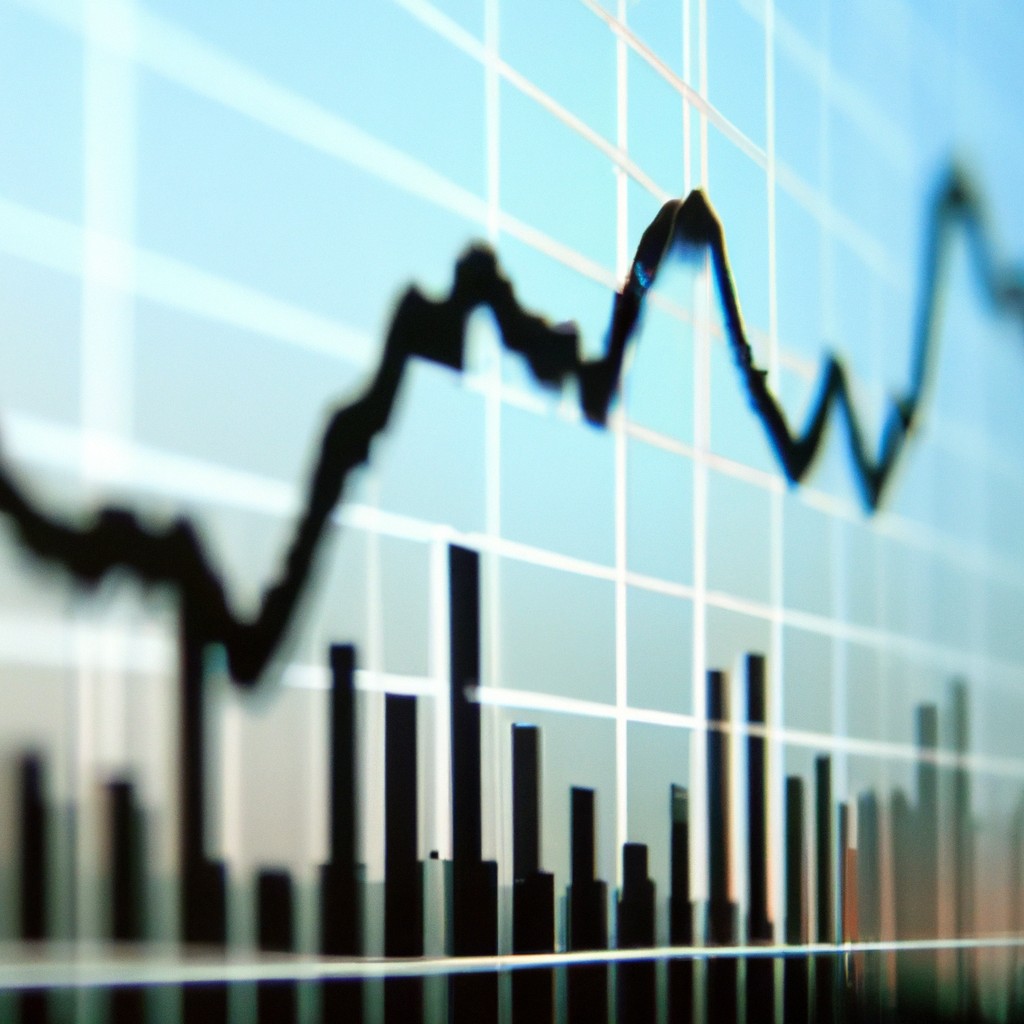
The state of the economy plays a crucial role in the performance of the Initial Public Offering (IPO) market. When economic conditions are favorable, with low interest rates and a steady growth rate, investors show greater willingness to invest in IPOs. This increased confidence leads to a rise in the number of companies going public. Conversely, during economic downturns, when there is uncertainty and financial instability, IPO activity often declines. Investors become more risk-averse, leading to a decrease in demand for new offerings. Additionally, market volatility affects the pricing of IPOs, making it challenging for companies to raise capital. Overall, economic conditions have a significant impact on the IPO market's vibrancy and investor sentiment.
Read more
Economic implications for Europe
With the ongoing global economic challenges, Europe is facing several economic implications. The pandemic's impact on industries and businesses has resulted in job losses and reduced consumer spending. This has led to a decline in tax revenues for governments, affecting public finances and social welfare programs. Moreover, the region's dependence on trade and exports has been disrupted, affecting economic growth and the stability of the Eurozone. Governments are implementing various measures to mitigate these effects, including stimulus packages, support for businesses, and investment in green technologies. The road to recovery will require international cooperation, innovation, and adaptability to address these economic implications effectively.
Read more
impact of incorrect economic forecasts on financial markets
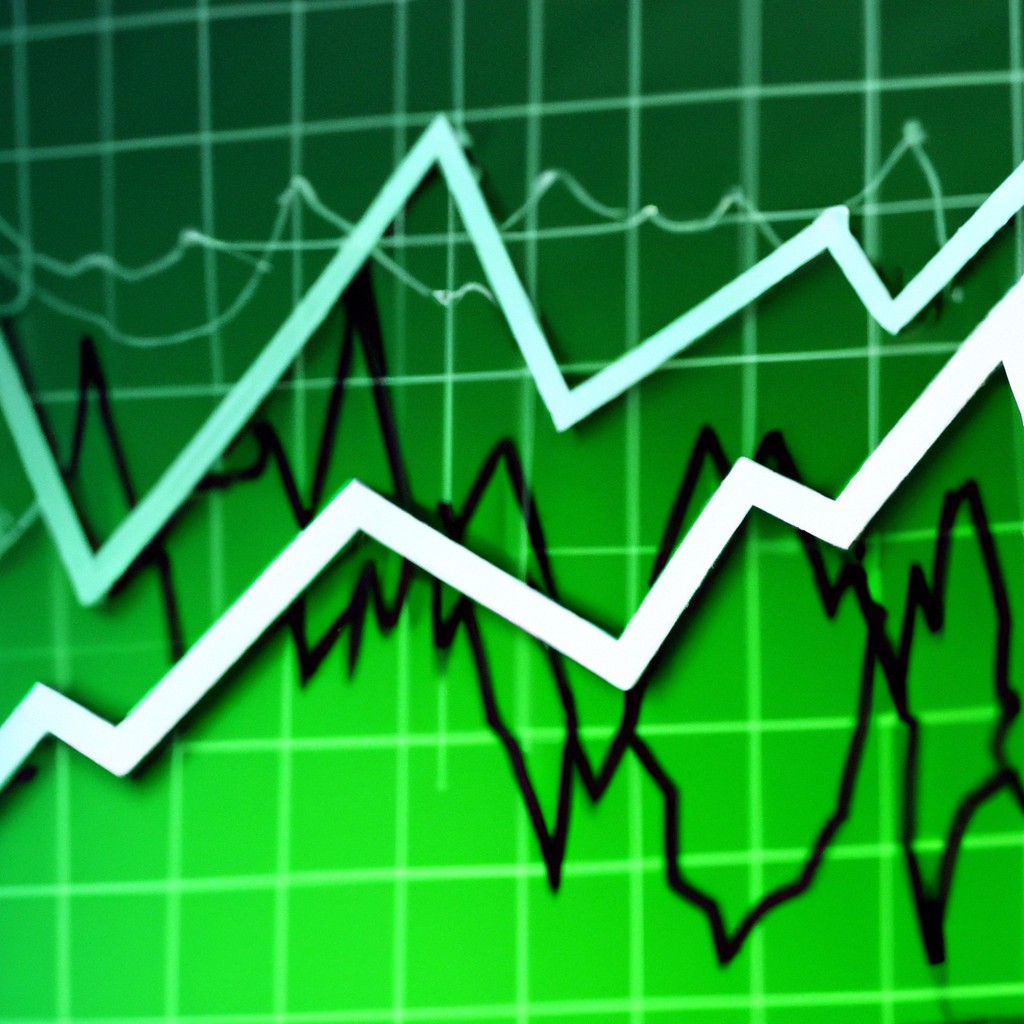
Incorrect economic forecasts can have a significant impact on financial markets. When predictions are incorrect, investors make decisions based on flawed information, leading to financial losses. Market volatility increases as uncertainty grows, causing prices to fluctuate wildly. This can create panic among investors, amplifying the impact on the markets. Businesses may postpone investments, affecting economic growth. Incorrect forecasts can also lead to misallocation of resources, as businesses and individuals make decisions based on inaccurate predictions. Confidence in the economy can be eroded, damaging consumer sentiment and spending. Ultimately, the fallout from incorrect economic forecasts can have far-reaching consequences for individuals, businesses, and the overall health of the financial markets.
Read more
central banks’ role in economic forecasting

Central banks play a vital role in economic forecasting, using various tools and indicators to assess and predict future economic conditions. They analyze data on inflation, employment, GDP, and other factors to anticipate potential risks and opportunities. By conducting rigorous research and employing sophisticated models, central banks aim to make informed decisions that can support stable and sustainable economic growth. Economic forecasts provide valuable insights for policymakers, businesses, and individuals, aiding in planning and decision-making. However, it is important to recognize that forecasting is not an exact science, as it involves uncertainties and factors beyond control. Nonetheless, central banks continuously strive to refine their forecasting methods to enhance the accuracy and reliability of their predictions.
Read more
economic reforms

Economic reforms play a vital role in shaping a nation's future. These changes aim to enhance financial stability, boost productivity, and uplift the living standards of citizens. By implementing effective policies, governments can create a favorable business environment, attract investments, and encourage entrepreneurship. Such reforms often involve simplifying regulations, reducing bureaucracy, improving infrastructure, and increasing access to finance. In addition, they facilitate trade liberalization and encourage innovation and technological advancements. These measures can lead to job creation, poverty reduction, and overall economic growth. However, successful economic reforms require careful planning, transparency, and collaboration between the public and private sectors. By embracing these changes, countries can foster inclusive and sustainable development for the benefit of all.
Read more
Economic indicators and signals of an upcoming recession
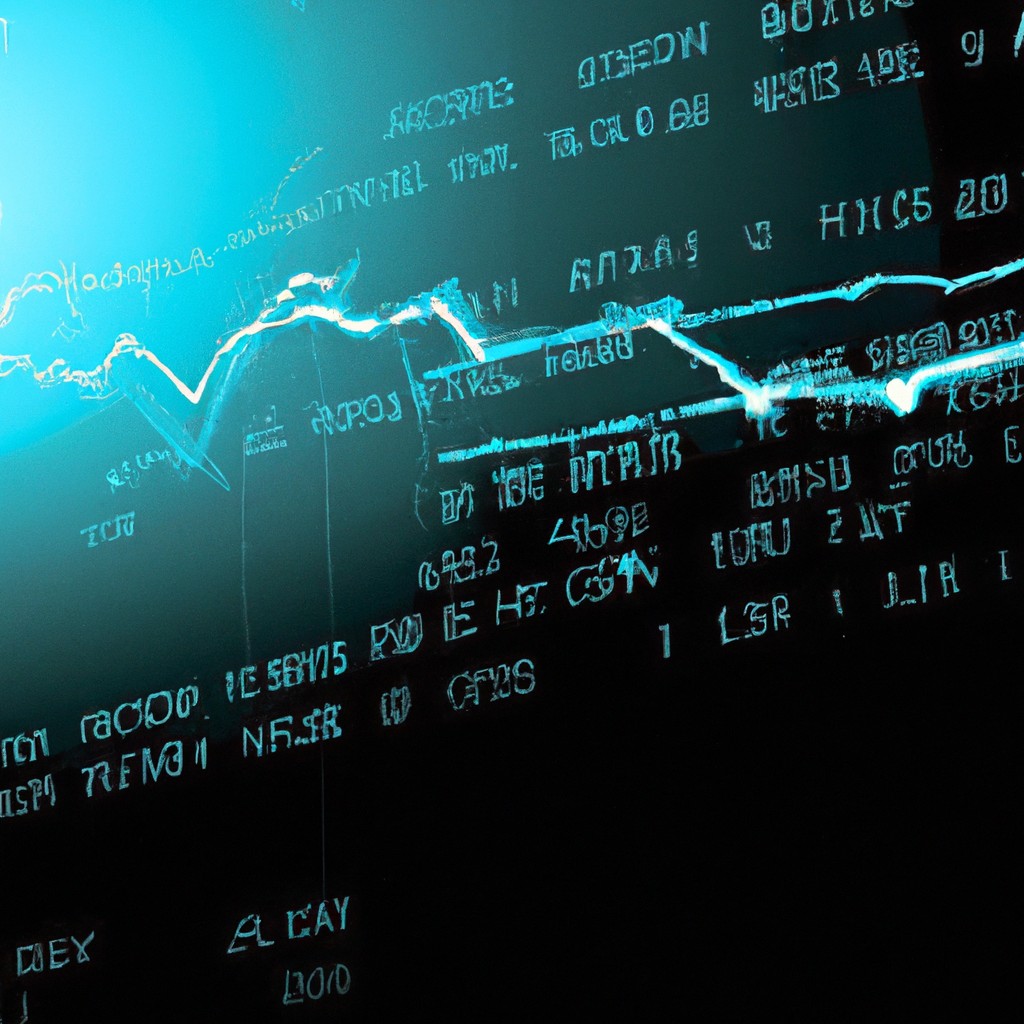
Economic indicators can offer valuable insights into potential recessions. One such indicator is the inverted yield curve, where short-term interest rates surpass long-term rates. This phenomenon often precedes downturns. Another warning sign is declining consumer confidence, as people become hesitant to spend money on non-essential items. The housing market also plays a crucial role, with a slowdown in home sales and declining prices indicating a weakening economy. Rising unemployment rates and stagnant wage growth are additional red flags. Additionally, a contraction in manufacturing and declining business investments suggest a recession may be on the horizon. By monitoring these signals, individuals and policymakers can better prepare for economic downturns.
Read more