Effects of fiscal policies on economic growth in China

Fiscal policies play a crucial role in shaping China's economic growth trajectory. By implementing strategic spending plans and tax adjustments, the government can propel or hinder the country's economic development. Effective fiscal policies can stimulate investment, boost consumer spending, and drive innovation, ultimately leading to sustained economic growth. However, poorly designed fiscal measures can result in budget deficits, inflation, or income inequality, hampering economic progress. The Chinese government must carefully balance its fiscal policies to maintain stability while promoting growth. By using fiscal tools wisely, China can harness its immense economic potential and pave the way for a prosperous future.
Read more
Effects on economic development
Economic development is crucial for growth. It can lead to increased employment opportunities and higher incomes for individuals. Additionally, it can improve the overall standard of living in a community. Developing infrastructure such as roads and schools can attract businesses and promote trade. Strong economic development can also reduce poverty levels and increase access to essential services like healthcare and education. Ultimately, investing in economic development can create a more stable and prosperous future for everyone involved. By focusing on sustainable growth strategies, communities can ensure long-term success and a better quality of life for their residents.
Read more
Effects of trade-in incentives on consumer behavior

Trade-in incentives impact consumer behavior by increasing purchase likelihood and perceived value of the trade-in option. Consumers often view these incentives as advantageous, leading to quicker decision-making. The psychological effect of feeling valued by the offer can influence their overall satisfaction. Additionally, the sense of gaining something in return boosts confidence in their transaction. The convenience of trade-ins further enhances the appeal, making the process seamless and beneficial for consumers. This strategy not only attracts potential buyers but also fosters brand loyalty and positive word-of-mouth marketing. Ultimately, the effects of trade-in incentives on consumer behavior are multifaceted and beneficial to both consumers and businesses.
Read more
Effects of China’s property market woes on urban development

China's property market turmoil poses significant challenges to urban growth, impacting infrastructure projects and residential development. Investors face uncertainty, leading to stagnation in construction activities and reduced economic opportunities. Local governments grapple with declining revenues from land sales, affecting their ability to fund essential public services. The ripple effects extend to job losses in the real estate sector, further straining the economy. In this landscape, the dream of homeownership becomes distant for many, exacerbating social inequalities and disparities in access to affordable housing. Urban planners and policymakers must navigate these obstacles to ensure sustainable and inclusive development despite the prevailing headwinds.
Read more
Effects on local businesses

Local businesses often thrive on foot traffic from nearby residents and tourists, fostering a sense of community. However, with the rise of online shopping and large chains, the dynamics are changing. Small businesses face fierce competition, impacting their survival. When a local business shuts down, it not only affects the owner but also the employees and the neighborhood's vibrancy. Communities lose unique products and personalized services, leading to a homogenized retail landscape. Supporting local businesses is vital to maintain diversity and sustain the local economy. Efforts like shopping local and spreading awareness can help these businesses thrive amidst modern challenges.
Read more
Effects on international travel

International travel has undergone significant changes due to the pandemic. Travel restrictions from different countries affected tourism and economies globally. Airlines adapted to new health protocols, impacting travel experiences. People's perception of travel safety shifted, influencing their future travel plans. The demand for outdoor and nature-based destinations increased as travelers sought open spaces. The hospitality industry faced challenges with the decline in tourist arrivals, leading to job losses. Countries reliant on tourism revenue suffered economic setbacks, prompting diversification efforts. Travelers embraced travel insurance policies more for added security and peace of mind. Overall, the effects of international travel disruptions emphasized the interconnectedness of the global community.
Read more
Effects on traditional investments

Traditional investments like stocks and bonds are experiencing shifts due to changing market dynamics. Investors are reevaluating their strategies amidst economic uncertainties. Historically safe options may no longer guarantee steady returns. Volatility in global markets impacts traditional investments significantly. Diversification across asset classes is becoming crucial to mitigate risks and maximize potential gains. The rise of digital assets poses new challenges for traditional investment portfolios. Technological advancements are reshaping how investments are managed and perceived by stakeholders. Traditional financial instruments must adapt to stay relevant in an evolving investment landscape. Disruptions in traditional industries are reshaping investment opportunities and risk profiles for investors.
Read more
Deflation effects on the economy
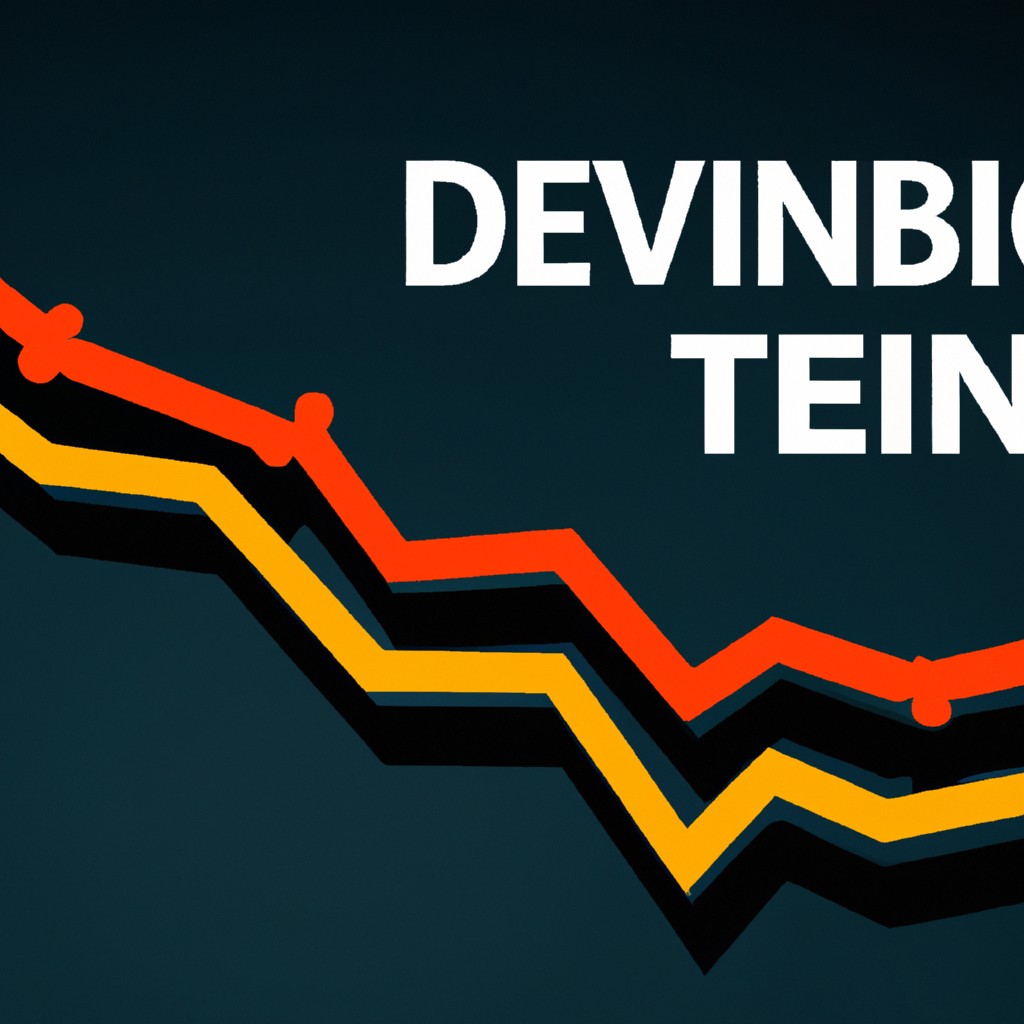
Deflation can lead to decreased consumer spending, as people wait for lower prices. Businesses may struggle to make profits, impacting investments and job opportunities. This cycle can lead to further price reductions and a downward economic spiral. Companies may delay expanding, causing economic growth to slow. Falling prices can undermine the value of assets, reducing wealth and hurting retirement savings. Unemployment rates may rise as businesses cut costs to survive. Governments might find it difficult to collect enough taxes due to lower economic activity. Overall, deflation can result in a stagnant economy with long-lasting negative effects on individuals and businesses.
Read more
Effects on the stock market
When major economic news hits, stock markets can experience significant fluctuations. Positive announcements often lead to price increases as investors gain confidence. Conversely, negative developments can trigger sell-offs and market downturns. Factors such as interest rate changes, geopolitical events, and company earnings reports can all impact stock prices. Investors closely monitor market reactions to adjust their strategies accordingly. Emotions play a significant role in stock market movements, with fear and greed driving buying and selling decisions. Understanding the various factors that influence the stock market can help investors make informed decisions and navigate the complexities of the financial world.
Read more
Effects of Inflation on the Economy
Inflation affects the economy by decreasing the purchasing power of individuals and eroding savings. Prices rise, making goods more expensive. Consumers cut spending, affecting businesses and causing unemployment. Investment decreases, slowing economic growth. Inflation creates uncertainty, hindering financial planning. Governments face challenges in controlling inflation. People struggle to afford necessities, impacting their quality of life. Economic inequalities widen as prices outpace income growth. Inflation can destabilize economies, leading to market disruptions and social unrest. Addressing inflation requires a balanced approach that considers both short-term stability and long-term growth. Understanding the effects of inflation is crucial for sustainable economic management.
Read more