Impact of the real estate sector on the economy.
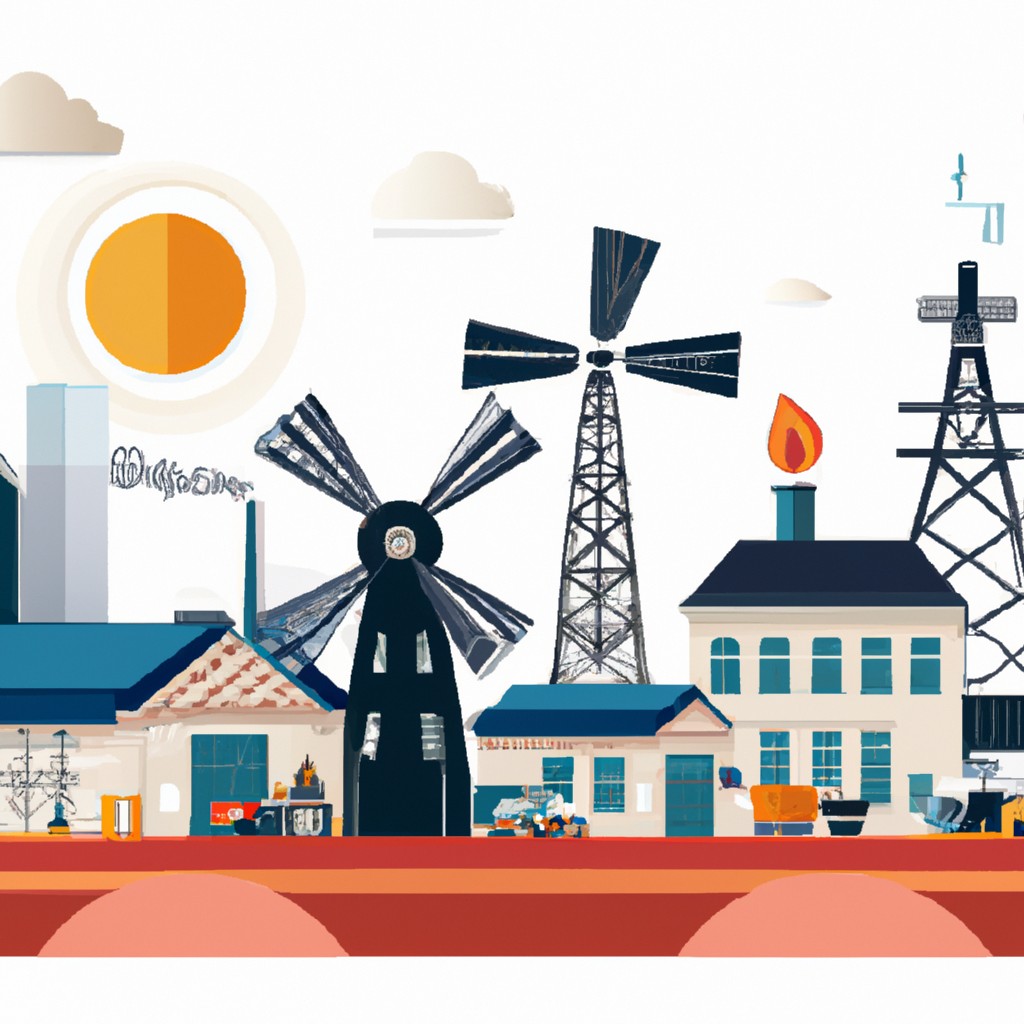
The real estate sector profoundly influences the economy, acting as a barometer of overall financial health. Its fluctuations ripple throughout various industries, impacting employment, consumer spending, and government revenues. Property construction and sales generate significant revenue streams, propelling economic growth. When the real estate market thrives, it boosts investor confidence and stimulates business activities. Conversely, a downturn in the sector can trigger economic instability and decreased consumer optimism. The sector's performance is closely linked to interest rates, regulatory policies, and market trends. A robust real estate market signals prosperity, while a weak one can signal economic challenges ahead.
Read more
China’s real estate market trends

China's real estate market is experiencing significant shifts. Urban areas witness high demand, driving prices up. Rural regions, however, are often overlooked, leading to disparities. Government policies heavily influence market dynamics, affecting both buyers and sellers. The rise of online platforms has revolutionized property searches, offering convenience. Investors are cautiously navigating uncertainties to capitalize on emerging opportunities. Sustainability and green initiatives are gaining traction, shaping future developments. Homeownership remains a core aspiration, but affordability concerns persist, impacting the market. Brokers and developers strive to adapt to changing demands, seeking innovative solutions. The market's evolution reflects China's economic growth and societal transitions, presenting complex challenges and prospects.
Read more
China’s real estate market challenges

China's real estate market faces numerous challenges, hindering its growth potential. The soaring property prices make it increasingly unaffordable for average citizens to purchase homes. This has created a significant wealth gap, with only the wealthy few able to afford properties in prime locations. Additionally, the market is plagued by speculative investments, leading to an unstable and volatile environment. Government regulations aimed at controlling property speculation have had some impact, but enforcement remains a challenge. Developers are also grappling with increased land acquisition costs, impacting their profit margins. Moreover, the growing presence of ghost cities, empty residential areas with no occupants, further reflects the imbalance in the market. Efforts are being made to address these issues, but sustainable solutions remain crucial for China's real estate sector to thrive.
Read more