Impacts of China’s GDP growth on global economy
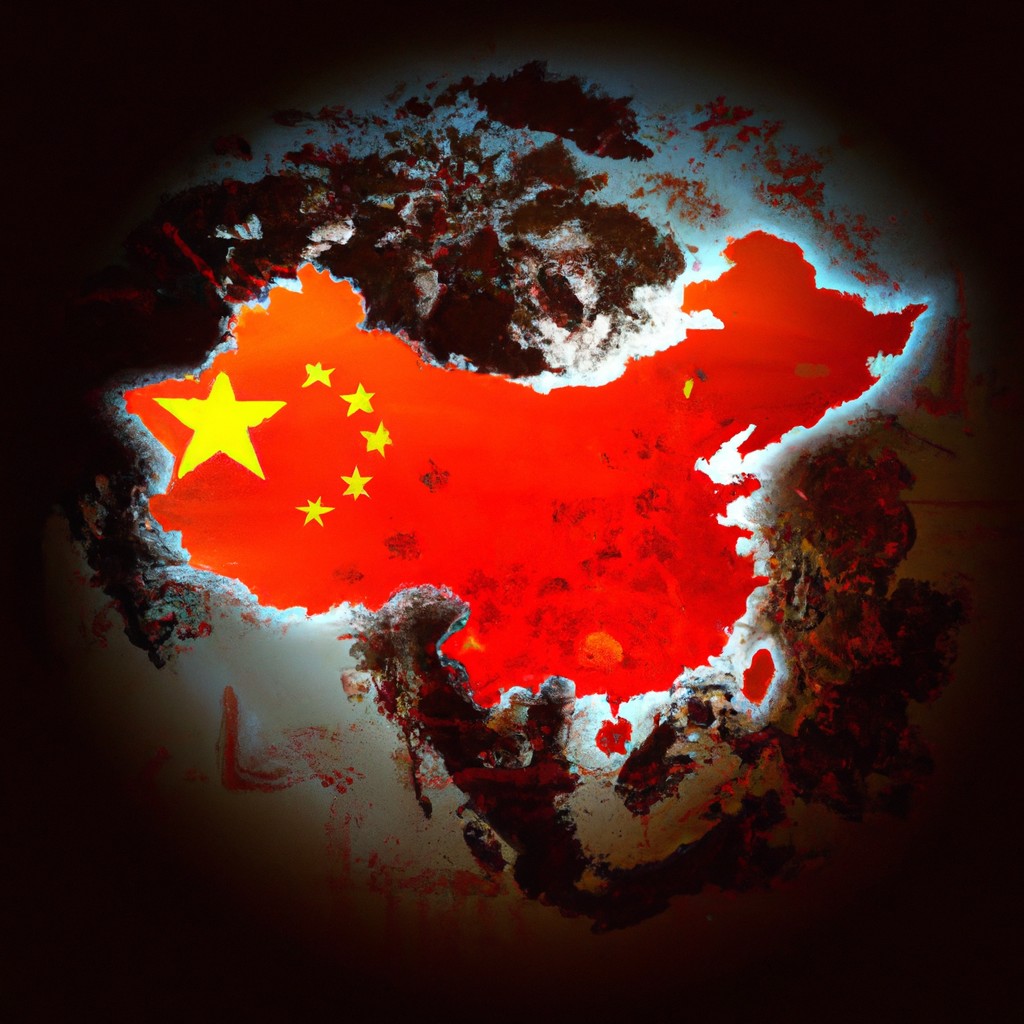
China's remarkable GDP growth influences the global economy significantly. As the world's second-largest economy, China's expansion spurs demand for commodities, boosting international trade. This economic powerhouse's growth also fosters innovation and technological advancement, shaping global industries. Foreign investments in China drive economic expansion and trade partnerships worldwide. A strong Chinese economy stabilizes financial markets and encourages global economic growth. The country's economic policies impact international financial systems, affecting exchange rates and market stability. China's GDP growth can create ripple effects globally, shaping the economic landscape and trade dynamics. The interconnectedness of the global economy underscores China's pivotal role in shaping and influencing world markets.
Read more
Impacts of deflation on the economy
Deflation can devastate an economy, leading to lower profits, decreased investments, and heightened unemployment rates. Businesses struggle to make profits, which can result in pay cuts and job losses for workers. Consumers delay purchases in anticipation of lower prices, causing businesses to further struggle. Deflation can spiral, intensifying economic downturns and making it challenging for governments and central banks to stimulate growth. Lower asset prices can erode wealth, reducing spending and investment in the economy. Deflation feeds a vicious cycle of economic contraction and can take a heavy toll on individuals, businesses, and the overall growth and stability of a nation.
Read more
Impacts of increased purchasing power on consumer behavior

Increased purchasing power often leads to heightened consumer demand for luxury goods and services. People may exhibit elaborate buying patterns as they seek validation through material possessions. Feeling empowered financially can result in impulse purchases and a preference for prestigious brands. Consumers tend to prioritize quality and exclusivity over price when their purchasing power grows. Moreover, the desire for status symbols may drive individuals to make extravagant spending choices. This shift in consumer behavior can shape social interactions and influence perceptions of personal success. Overall, increased purchasing power can profoundly impact consumer behavior, leading to evolving consumption habits and lifestyle choices.
Read more
Impacts of slowing consumption on the Chinese economy

Slowing consumption in China has begun to shape the country's economic landscape. This trend is affecting various sectors, leading to a ripple effect across the economy. As consumers become more cautious with their spending, businesses are feeling the pinch of reduced demand for goods and services. This has prompted companies to adjust their strategies and operations to adapt to the changing market dynamics. The slowdown in consumption also poses challenges for the government in achieving its economic growth targets. As the impact unfolds, it becomes evident that addressing the issues of slowing consumption is crucial for sustaining China's economic development in the long run.
Read more
Impacts on financial markets

Financial markets experience fluctuations due to various factors like economic indicators, geopolitical events, and investor sentiment. These influences can lead to significant price movements in stocks, currencies, and commodities. Market participants constantly analyze data and news to anticipate and respond to these changes. In times of uncertainty, volatility tends to increase, creating both risks and opportunities for investors. Long-term trends can also be influenced by more structural factors such as interest rates and government policies. Understanding these dynamics is crucial for investors to make informed decisions and manage their portfolios effectively in the ever-evolving financial landscape.
Read more
Impacts of wealth inequality
Wealth inequality creates societal divisions, eroding trust and social cohesion. It amplifies disparities in opportunities and resources, fueling resentment and stunting collective progress. The disparities in access to quality education, healthcare, and economic opportunities deepen the chasm between the wealthy and the disadvantaged. This divide hampers social mobility, limiting individuals' ability to transcend their circumstances. The psychological toll of living in a society starkly divided by wealth can be immense, breeding feelings of inadequacy, worthlessness, and resentment. Addressing wealth inequality is crucial for fostering a fairer, more inclusive society where everyone has the chance to thrive and succeed.
Read more
Future Impacts of AI on Wall Street Trading
Artificial Intelligence is transforming Wall Street trading, revolutionizing strategies, improving efficiency, and enhancing decision-making processes. The future impact of AI on this domain is both profound and far-reaching. AI-powered algorithms analyze massive data sets, identifying patterns and trends that human traders may overlook. This enables more informed and accurate trading decisions, mitigating risks and maximizing profits. Additionally, AI algorithms can execute trades in milliseconds, enabling faster responses to market fluctuations. However, as AI continues to evolve, ethical considerations and regulations must be carefully monitored to ensure fair and transparent trading practices. The future of Wall Street trading with AI is promising, yet requires vigilant oversight and adaptation.
Read more
Impacts of supply chain disruptions on inflation.
Supply chain disruptions can have significant impacts on inflation, causing prices to rise. When supply chains are disrupted, it becomes challenging for businesses to obtain the necessary raw materials and components they need to produce goods. This shortage leads to increased competition among firms, pushing prices higher. Additionally, disruptions in transportation and logistics can result in delays and higher costs, which are ultimately passed on to consumers. As a result, inflation can accelerate as businesses struggle to maintain their profit margins. Consumers may experience the effects of this inflation through higher prices for goods and services, impacting their purchasing power and overall cost of living.
Read more
Impacts of AI on the Financial Industry

Artificial intelligence (AI) is transforming the financial industry in profound ways. AI-powered algorithms analyze vast amounts of data, enabling financial institutions to make accurate predictions and informed decisions. These algorithms can quickly detect patterns, identify risks, and provide personalized recommendations to investors. In addition, AI-powered chatbots streamline customer service, answering queries and resolving issues efficiently. By automating routine tasks, AI improves operational efficiency and reduces costs. However, the increasing reliance on AI also brings ethical concerns, such as algorithmic biases and data security risks. It is important for financial institutions to harness the potential of AI while ensuring transparency, fairness, and accountability. As AI continues to advance, the financial industry must adapt and strike a balance between innovation and ethical considerations.
Read more
Impacts of Federal Reserve rate cuts on the economy
Federal Reserve rate cuts can have significant impacts on the economy. When the Fed lowers interest rates, it becomes cheaper for businesses and individuals to borrow money. This stimulates spending and investment, which can lead to economic growth. Lower interest rates also incentivize consumers to make big-ticket purchases, such as homes or cars. Additionally, rate cuts can help improve the affordability of mortgage payments, freeing up household income for other expenses. However, there can be downsides. Lower rates can lead to inflation, eroding purchasing power over time. It can also discourage saving, as the returns on savings accounts and bonds decrease. Therefore, it is crucial for the Fed to carefully consider the possible consequences when making rate cut decisions.
Read more