strategies to mitigate the effects of inflation.

To mitigate the effects of inflation, individuals can adopt several strategies. The first is to invest in assets that tend to increase in value over time, such as real estate or stocks. Additionally, diversifying one's investment portfolio can help spread the risk and minimize the impact of inflation. Another approach is to focus on increasing income, either through negotiating higher salaries or starting a side business. By doing so, individuals can counteract the erosion of purchasing power caused by inflation. Lastly, keeping a close eye on expenses and budgeting wisely can help maintain financial stability in the face of rising prices.
Read more
inflation impact on consumer spending
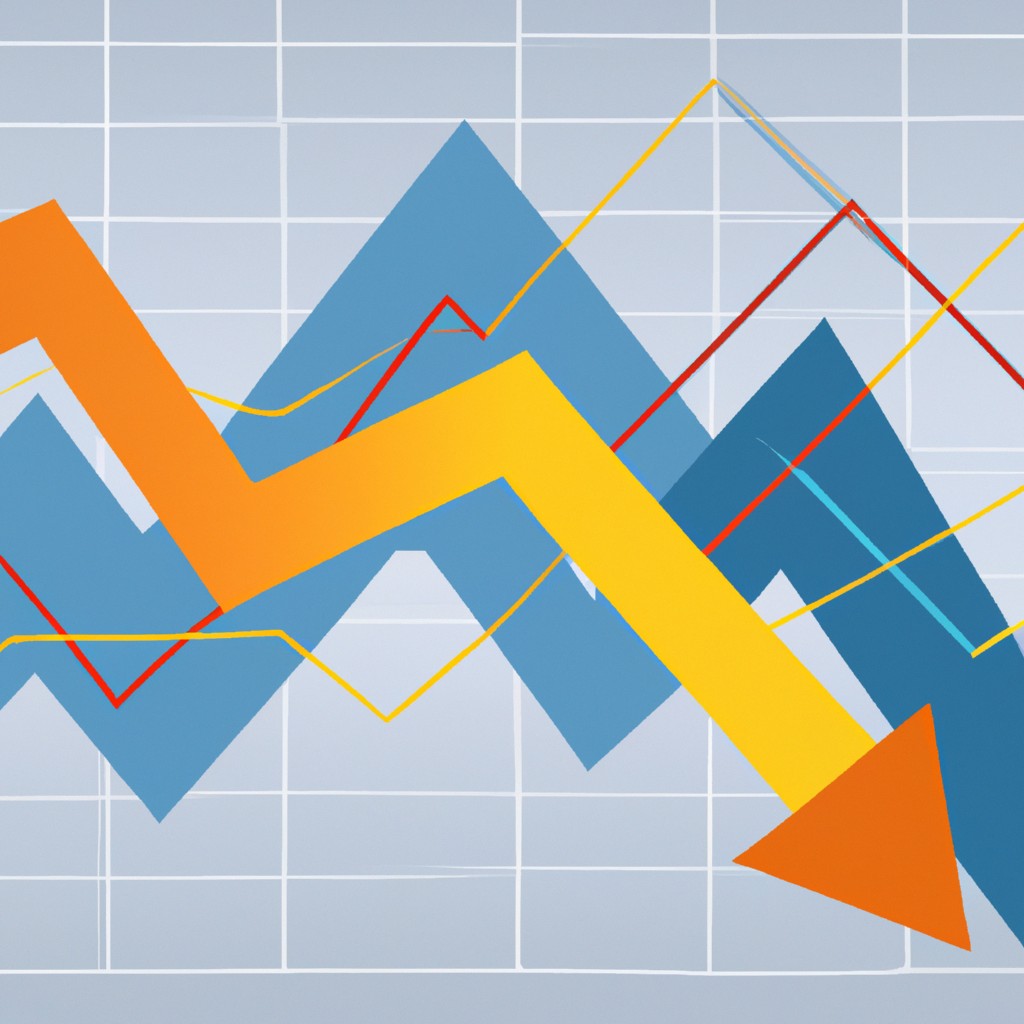
Inflation can have a significant impact on consumer spending. When prices rise, consumers are often left with less disposable income, making it difficult to make purchases. As a result, they may cut back on non-essential items and prioritize necessary expenses. This can lead to a decrease in overall consumer spending, which in turn can have a negative effect on businesses and the economy as a whole. Additionally, inflation can erode the purchasing power of consumers, as the value of their money decreases over time. This can create a sense of financial insecurity and uncertainty, causing consumers to be more cautious with their spending habits.
Read more
Impact of inflation on the economy
Inflation, the rising prices of goods and services over time, can have a significant impact on the economy. When inflation is high, people's purchasing power decreases, as their money buys less than before. This can lead to reduced consumer spending, which in turn affects businesses and overall economic growth. Additionally, inflation erodes the value of savings, making it harder for individuals to plan for the future. It also puts pressure on wages, as workers may require higher compensation to keep up with rising prices. Central banks implement monetary policies to control inflation and ensure a stable economy, but striking the right balance is crucial to avoid negative consequences.
Read more
Impacts of inflation on the economy.
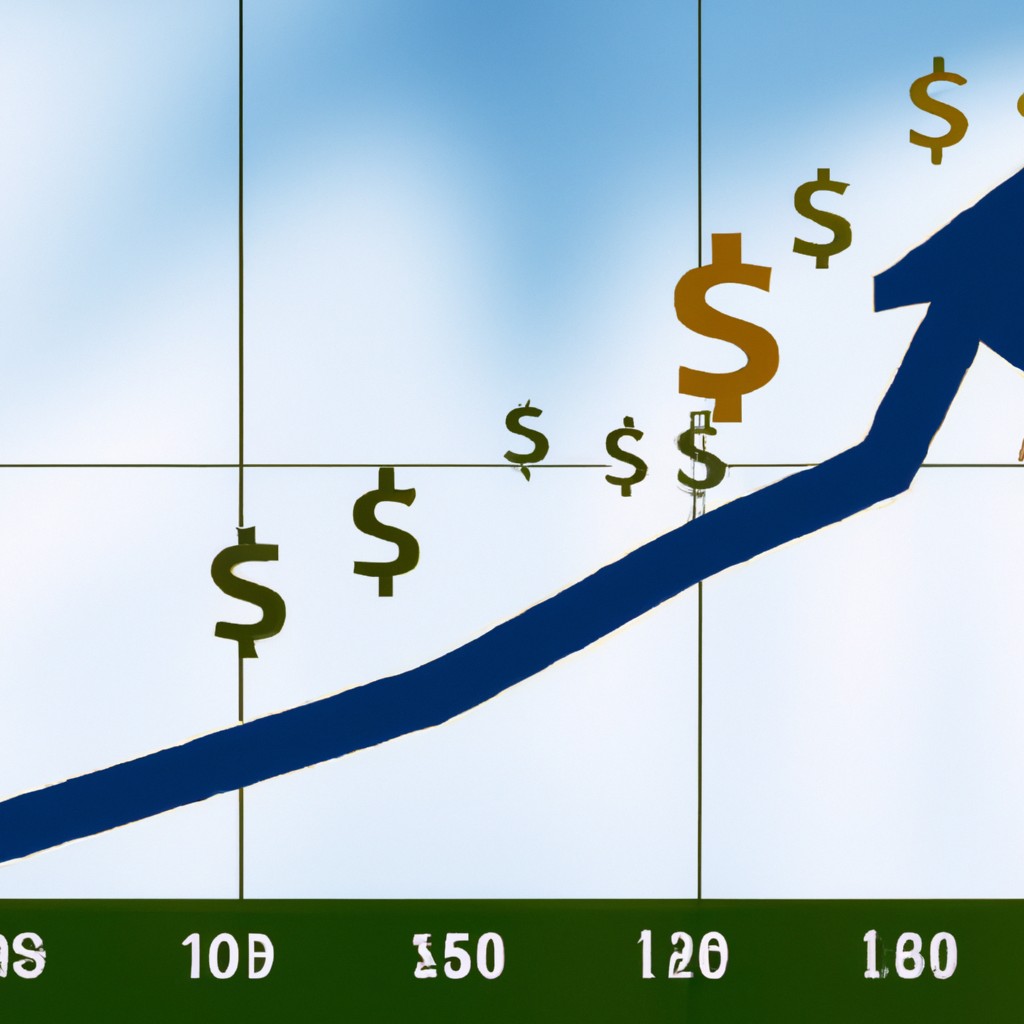
Inflation exerts significant influence on the economy, affecting various aspects of individuals' lives. When prices rise steadily, purchasing power diminishes, leaving consumers with reduced disposable income. This can lead to a decrease in spending and, subsequently, a slowdown in economic growth. Moreover, inflation erodes the value of savings, leaving individuals with less wealth and reducing their ability to invest and plan for the future. Businesses also face challenges during inflationary periods, as rising production costs can squeeze profit margins, potentially leading to layoffs and reduced investment. Inflation can also create uncertainty, making it difficult for businesses and individuals to make long-term financial decisions. Overall, the impacts of inflation are far-reaching and can have lasting consequences on the economy.
Read more
Causes of ongoing inflation

Inflation persists due to various economic factors. One significant cause is demand-pull inflation, where demand for goods and services exceeds supply. This leads to increased prices as businesses take advantage of high demand. Another cause is cost-push inflation, where rising production costs, such as wages and raw materials, lead to higher prices. Additionally, inflation can be fueled by excessive money supply by central banks, causing a decrease in the value of money. Government policies, like high taxes and tariffs, can also contribute to ongoing inflation. Lastly, inflationary expectations play a role, as people anticipate price increases and adjust their behavior accordingly, creating a self-fulfilling prophecy.
Read more
impact on inflation fight

Fighting inflation can have a significant impact on the economy and the lives of individuals. When inflation rates rise, the cost of goods and services increases, leading to a decrease in purchasing power. This can put a strain on households, particularly those with lower incomes. Additionally, inflation erodes the value of savings and investments, making it harder for people to plan for the future. Central banks play a crucial role in combating inflation through various monetary policy tools, such as adjusting interest rates. By keeping inflation in check, these measures help maintain price stability, support economic growth, and protect the financial well-being of individuals and businesses.
Read more
Risks to inflation fight
Risks to inflation fight are mounting as global commodity prices surge and supply chain disruptions persist. Central banks face the challenge of balancing economic recovery with price stability. Rising energy costs and raw material prices increase production expenses, which may lead to higher consumer prices. The uncertainty surrounding pandemic-related restrictions also hampers economic activity and inflation outlooks. Furthermore, there is a risk that inflation expectations become unanchored, causing a self-perpetuating cycle of rising prices. Central banks must carefully monitor these risks and employ appropriate policy measures to mitigate inflationary pressures while supporting economic growth. Failure to address these risks effectively could undermine efforts to maintain stable and sustainable economic conditions.
Read more
inflation breakdown

Inflation breakdown occurs when the overall increase in prices of goods and services starts to slow down or even declines. It can be a result of several factors such as increased productivity, reduced demand, or government policies. While it may initially seem like a positive development, a sudden drop in inflation can have negative consequences. Businesses may struggle to maintain profits, leading to layoffs and a decline in consumer spending. Additionally, deflation, a prolonged period of falling prices, can hinder economic growth and increase the burden of debt. Central banks closely monitor inflation breakdown to ensure stable economic conditions for businesses and consumers alike.
Read more
The Impact of Restrictive Monetary Policy on Inflation: This topic explores how maintaining a restrictive monetary policy can help to control inflation. It discusses the reasons behind the Federal Reserve’s decision to keep the policy in place until infla

The Impact of Restrictive Monetary Policy on Inflation: This topic explores how maintaining a restrictive monetary policy can help to control inflation. It discusses the reasons behind the Federal Reserve's decision to keep the policy in place until inflation is properly managed. By implementing strict policies, central banks aim to limit excessive money supply and curb inflationary pressure. The careful consideration of various economic indicators guides these decisions. Maintaining a restrictive monetary policy requires a delicate balance, as it can also impact economic growth and employment levels. However, without controlling inflation, the economy can suffer from reduced purchasing power and increased uncertainty. The implementation and continuation of a restrictive monetary policy play a critical role in maintaining stable price levels and overall economic well-being.
Read more
the role of central banks in controlling inflation
Central banks play a crucial role in controlling inflation. They use various monetary policy tools to stabilize prices and ensure economic stability. By adjusting interest rates, central banks influence borrowing costs, which in turn affect consumption and investment. Through open market operations, they manage the money supply, controlling inflationary pressures. Central banks also monitor economic indicators like GDP growth and unemployment rates to formulate policies that prevent inflationary spirals. Their actions are closely watched by financial markets and policymakers worldwide. The decisions made by central banks have far-reaching consequences, impacting the lives of people and shaping the direction of economies. As guardians of price stability, central banks strive to strike a delicate balance that supports growth while containing inflationary pressures.
Read more