Impacts of Federal Reserve rate cuts on the economy
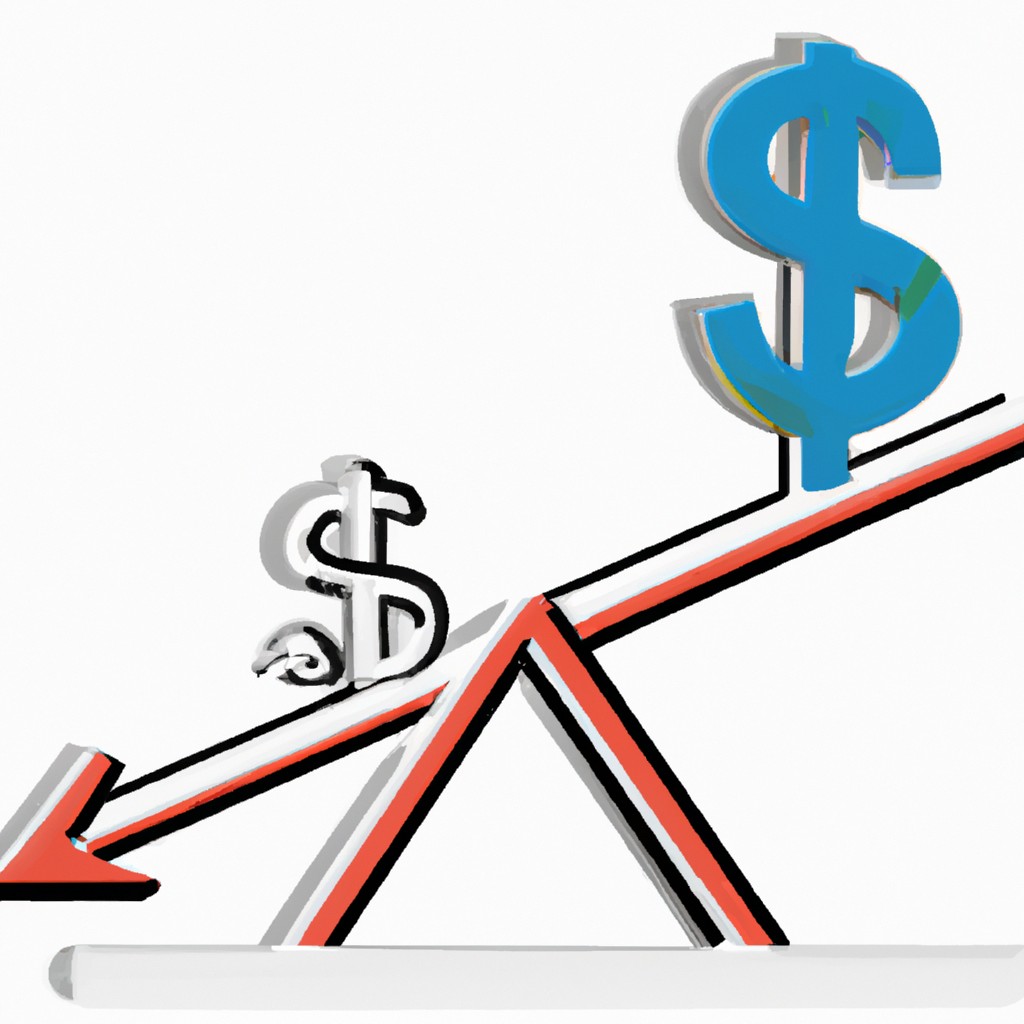
Federal Reserve rate cuts can have significant impacts on the economy. When the Fed lowers interest rates, it becomes cheaper for businesses and individuals to borrow money. This stimulates spending and investment, which can lead to economic growth. Lower interest rates also incentivize consumers to make big-ticket purchases, such as homes or cars. Additionally, rate cuts can help improve the affordability of mortgage payments, freeing up household income for other expenses. However, there can be downsides. Lower rates can lead to inflation, eroding purchasing power over time. It can also discourage saving, as the returns on savings accounts and bonds decrease. Therefore, it is crucial for the Fed to carefully consider the possible consequences when making rate cut decisions.
Read more
Impact of inflation on the economy

Inflation, the rising prices of goods and services over time, can have a significant impact on the economy. When inflation is high, people's purchasing power decreases, as their money buys less than before. This can lead to reduced consumer spending, which in turn affects businesses and overall economic growth. Additionally, inflation erodes the value of savings, making it harder for individuals to plan for the future. It also puts pressure on wages, as workers may require higher compensation to keep up with rising prices. Central banks implement monetary policies to control inflation and ensure a stable economy, but striking the right balance is crucial to avoid negative consequences.
Read more
Impact of equity ownership for PGA Tour players

Equity ownership has a significant impact on PGA Tour players, both financially and professionally. Owning equity allows players to have a stake in the success of the Tour, creating a deeper sense of commitment and motivation. Financially, equity ownership provides players with a share of the Tour's revenue, resulting in increased earnings and stability. This ownership also grants players a voice in decision-making processes, giving them the opportunity to shape the future of the Tour. Additionally, equity ownership fosters a stronger sense of camaraderie and unity among players, as they work together towards common goals. Overall, equity ownership offers PGA Tour players a range of benefits that enhance their careers and elevate the sport.
Read more
Market Analysis and Forecasts
Market analysis and forecasts are essential for businesses to make informed decisions about future strategies. By analyzing current market trends and evaluating historical data, businesses can gain insights into consumer behavior and predict future market conditions. This information helps them identify potential opportunities and risks, allowing them to allocate resources effectively. Through forecasting, businesses can estimate future demand for their products or services, enabling them to plan production levels, manage inventory, and optimize pricing strategies. Successful market analysis and forecasting require accurate data collection, robust analytical tools, and skilled interpretation. By leveraging these tools effectively, businesses can stay ahead of the competition and maximize their chances of long-term success.
Read more
Electric Vehicle (EV) Battery Technology

Electric Vehicle (EV) battery technology has advanced significantly in recent years, revolutionizing the automotive industry. These batteries provide power to propel electric vehicles, offering a cleaner and greener alternative to traditional combustion engines. The heart of EV battery technology lies in its rechargeable lithium-ion batteries, which store and release electricity efficiently. These batteries are composed of different chemicals, including lithium cobalt oxide, lithium iron phosphate, and lithium manganese oxide. They offer high energy density, extended range, and fast charging capabilities. Additionally, advancements in battery management systems and cooling technologies have improved battery life and performance. EV battery technology continues to evolve, promising a future of sustainable and emission-free transportation.
Read more
The role of government regulation in investor protection.
Investor protection plays a crucial role in maintaining the integrity and stability of financial markets. Government regulation, therefore, becomes essential to safeguard the interests and rights of investors. By imposing strict rules and regulations, the government ensures transparency in the investment process, minimizing the risk of fraud and manipulation. These regulations also empower investors by providing them with useful information and resources to make informed decisions. Moreover, government oversight acts as a deterrent to unethical practices, creating a level playing field for investors. Without effective regulation, investors are exposed to the potential pitfalls of an unregulated market, jeopardizing their investments and overall confidence in the financial system.
Read more
The impact of regulatory actions on cryptocurrency markets
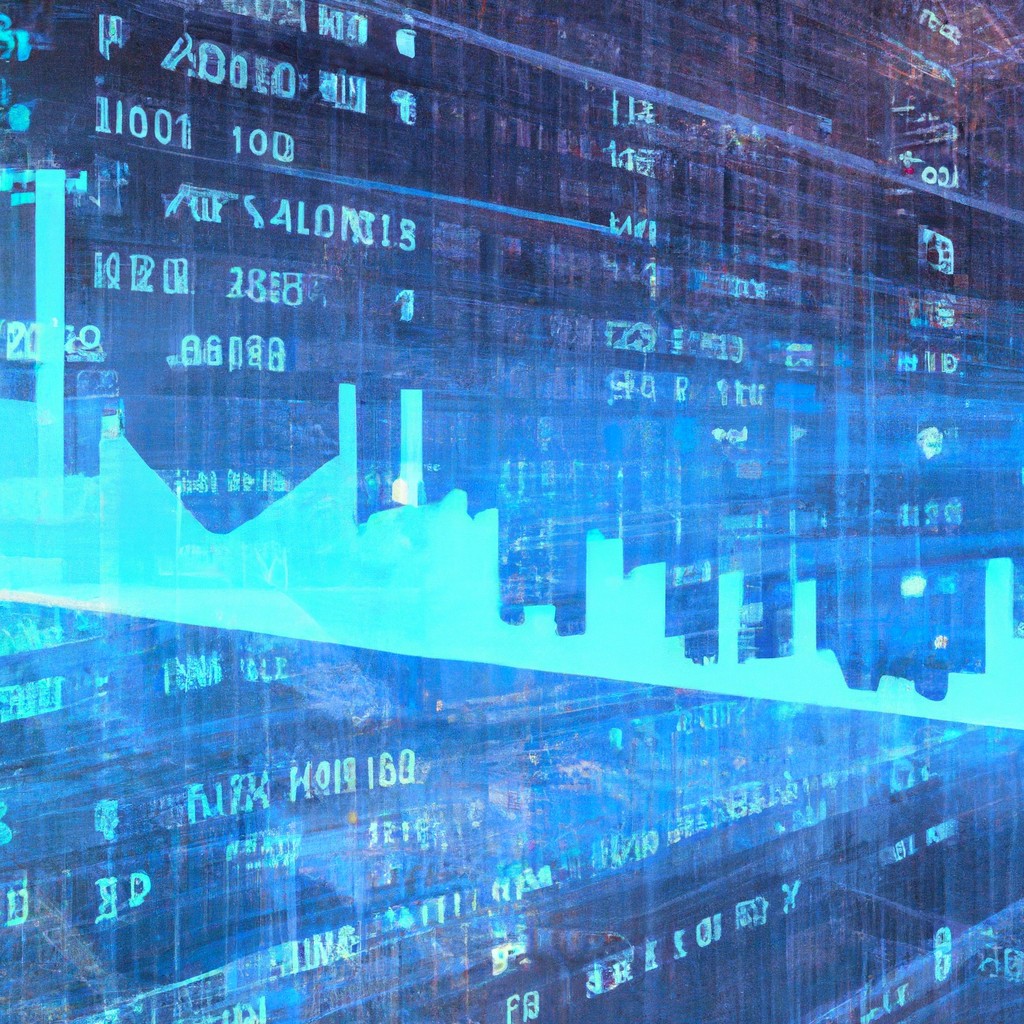
Cryptocurrency markets have been significantly affected by regulatory actions. Government-imposed regulations have caused fluctuations and uncertainty in these markets. This has resulted in investors experiencing varying levels of anxiety and concern. Increased scrutiny on cryptocurrency exchanges has led to stricter compliance measures and security protocols. Regulatory actions aim to reduce the risk of fraud and money laundering, but they also impact market liquidity and accessibility. Many businesses have had to adapt their operations to comply with these regulations. The evolving regulatory landscape highlights the need for a balanced approach that stimulates innovation while protecting investors. As the cryptocurrency industry continues to mature, regulatory actions will play a crucial role in shaping its future.
Read more
Impacts of inflation on the economy.
Inflation exerts significant influence on the economy, affecting various aspects of individuals' lives. When prices rise steadily, purchasing power diminishes, leaving consumers with reduced disposable income. This can lead to a decrease in spending and, subsequently, a slowdown in economic growth. Moreover, inflation erodes the value of savings, leaving individuals with less wealth and reducing their ability to invest and plan for the future. Businesses also face challenges during inflationary periods, as rising production costs can squeeze profit margins, potentially leading to layoffs and reduced investment. Inflation can also create uncertainty, making it difficult for businesses and individuals to make long-term financial decisions. Overall, the impacts of inflation are far-reaching and can have lasting consequences on the economy.
Read more
Causes of ongoing inflation

Inflation persists due to various economic factors. One significant cause is demand-pull inflation, where demand for goods and services exceeds supply. This leads to increased prices as businesses take advantage of high demand. Another cause is cost-push inflation, where rising production costs, such as wages and raw materials, lead to higher prices. Additionally, inflation can be fueled by excessive money supply by central banks, causing a decrease in the value of money. Government policies, like high taxes and tariffs, can also contribute to ongoing inflation. Lastly, inflationary expectations play a role, as people anticipate price increases and adjust their behavior accordingly, creating a self-fulfilling prophecy.
Read more
The impact of economic conditions on the IPO market

The state of the economy plays a crucial role in the performance of the Initial Public Offering (IPO) market. When economic conditions are favorable, with low interest rates and a steady growth rate, investors show greater willingness to invest in IPOs. This increased confidence leads to a rise in the number of companies going public. Conversely, during economic downturns, when there is uncertainty and financial instability, IPO activity often declines. Investors become more risk-averse, leading to a decrease in demand for new offerings. Additionally, market volatility affects the pricing of IPOs, making it challenging for companies to raise capital. Overall, economic conditions have a significant impact on the IPO market's vibrancy and investor sentiment.
Read more