Implications of egregious worker health costs

Implications of egregious worker health costs can be severe, affecting both individuals and the broader economy. High medical expenses place a significant burden on workers, straining their finances and limiting their ability to save and invest. Moreover, the emotional toll of these costs can lead to increased stress and anxiety, negatively impacting overall well-being and productivity. From a macroeconomic perspective, skyrocketing healthcare expenditure can hinder economic growth and divert resources away from other sectors. It is crucial for policymakers to address this issue by implementing effective cost-containment measures and promoting preventive healthcare to reduce the burden on workers and foster a healthier, more prosperous society.
Read more
Analysts’ views on BYD as a long-term investment

Analysts remain optimistic on BYD as a long-term investment due to its strong position in the electric vehicle market. With its innovative technologies and expanding global footprint, BYD is well-positioned to capitalize on the growing demand for renewable energy solutions. Experts highlight BYD's solid financial performance, emphasizing its steady revenue growth and profitability. Moreover, BYD's strategic partnerships and collaborations with leading automakers further strengthen its competitive edge. The company's commitment to sustainability and its relentless pursuit of innovation have also been noted as crucial factors in its long-term success. Overall, analysts believe that BYD has the potential to deliver substantial returns to investors who are willing to hold their positions for the long haul.
Read more
strategies for navigating a recession

One strategy for navigating a recession is to focus on cost-cutting measures. This may involve reducing unnecessary expenses, renegotiating contracts, and finding more affordable suppliers. Additionally, businesses should consider diversifying their revenue streams by exploring new markets or offering new products or services. It is also crucial to prioritize customer retention and loyalty during tough economic times by providing excellent customer service and personalized experiences. Another effective approach is to invest in employee training and development to enhance productivity and adaptability. Lastly, maintaining a positive mindset and staying proactive in seeking opportunities can help businesses survive and even thrive during a recession.
Read more
Risks to inflation fight

Risks to inflation fight are mounting as global commodity prices surge and supply chain disruptions persist. Central banks face the challenge of balancing economic recovery with price stability. Rising energy costs and raw material prices increase production expenses, which may lead to higher consumer prices. The uncertainty surrounding pandemic-related restrictions also hampers economic activity and inflation outlooks. Furthermore, there is a risk that inflation expectations become unanchored, causing a self-perpetuating cycle of rising prices. Central banks must carefully monitor these risks and employ appropriate policy measures to mitigate inflationary pressures while supporting economic growth. Failure to address these risks effectively could undermine efforts to maintain stable and sustainable economic conditions.
Read more
Impact of the gig economy on multiple jobholders

The gig economy has had a profound impact on individuals who juggle multiple jobs. It offers flexibility, allowing them to earn extra income outside regular employment. However, managing multiple jobs can be challenging, both physically and mentally. The constant need to switch between roles and schedules can lead to burnout and increased stress levels. Additionally, there may be a lack of stability and benefits associated with gig work, which can exacerbate financial insecurity. Despite these challenges, some individuals thrive in the gig economy, finding fulfillment and independence in their multiple job roles. Ultimately, the impact of the gig economy on multiple jobholders is a complex mix of advantages and disadvantages.
Read more
impact of interest rate changes on the economy

Interest rate changes have a profound impact on the economy. When interest rates rise, borrowing becomes more expensive, leading to reduced consumer spending. This, in turn, can slow down economic growth and dampen business investment. Higher interest rates also make it harder for businesses and individuals to repay their debts, potentially leading to default and financial instability. On the other hand, when interest rates decrease, borrowing becomes cheaper, stimulating consumer spending and encouraging businesses to invest. Lower interest rates can also make it easier for individuals and businesses to manage their debts, boosting economic activity. Overall, interest rate changes can significantly influence the health and trajectory of the economy.
Read more
technology advancements in the semiconductor industry

The semiconductor industry continues to witness remarkable advancements in technology. Cutting-edge innovations have revolutionized the production and performance of semiconductor devices. These developments have resulted in smaller, faster, and more efficient chips that power our modern electronics. With each passing year, the industry pushes the boundaries of what is possible, driving exponential growth and enabling groundbreaking applications. From the integration of artificial intelligence in semiconductor design to the emergence of novel materials like graphene, the landscape of the industry is constantly evolving. As a result, we are experiencing unprecedented levels of connectivity, computing power, and data processing capabilities, transforming the way we live, work, and interact with technology.
Read more
Swiss National Bank chairman’s perspective

The Swiss National Bank chairman's perspective offers valuable insights into the country's economic landscape. With a clear focus on stability and growth, he emphasizes the importance of prudent monetary policy. He believes in maintaining a balance between exports and imports, acknowledging the significance of international trade for Switzerland's prosperity. The chairman acknowledges the challenges posed by global economic uncertainties but remains optimistic about the country's resilience. He highlights the Swiss banking sector's reputation for integrity and emphasizes the need for continued regulation to safeguard against risks. The chairman recognizes the importance of innovation and technology, urging Swiss businesses to adapt to the changing landscape. Overall, his perspective reflects a cautious yet optimistic outlook on Switzerland's economic future.
Read more
Pros and cons of the Fed’s decision
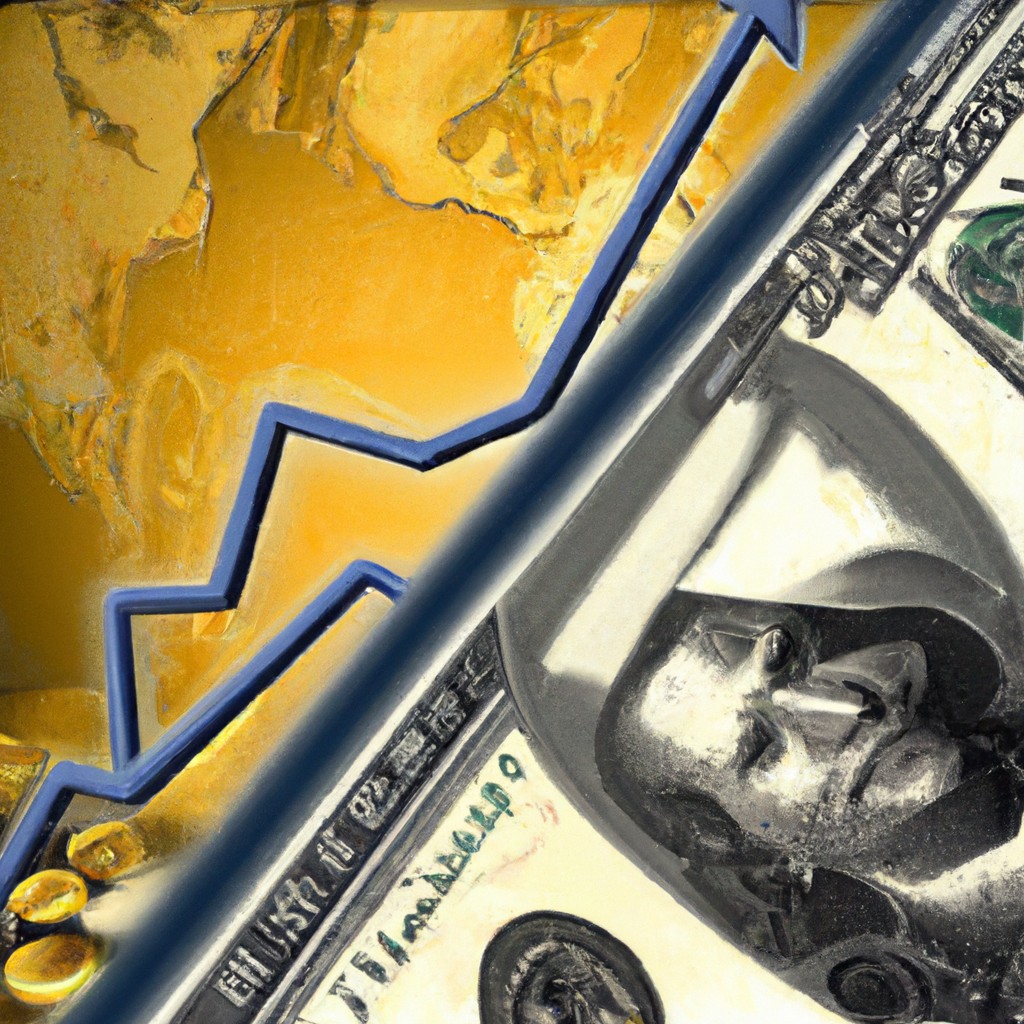
The Federal Reserve's recent decision to raise interest rates has both pros and cons. On the positive side, higher interest rates can help to control inflation by making borrowing more expensive and discouraging excessive spending. This can also lead to a stronger currency and attract foreign investors. However, the downside is that higher interest rates can slow down economic growth by making it more expensive for businesses and consumers to borrow money. This could result in lower consumer spending and reduced business investment. Another potential downside is that higher interest rates could lead to increased borrowing costs for individuals with adjustable rate loans, such as mortgages. Ultimately, the impact of the Fed's decision will depend on various factors, including the state of the economy and global financial conditions.
Read more
Impact of working longer on overall well-being

Working longer can have a significant impact on overall well-being. While some may view retirement as a chance to relax and enjoy life, others find purpose and fulfillment in continuing to work. The physical and mental stimulation provided by work can contribute to a sense of satisfaction and happiness. Additionally, staying engaged in the workforce can help maintain social connections and a sense of belonging. Financial stability is another important factor to consider, as working longer can provide a greater sense of security and peace of mind. However, it is crucial to find a healthy balance to prevent burnout and prioritize self-care. Ultimately, the decision to work longer should be based on individual preferences and circumstances.
Read more