Impact of mergers and acquisitions on the banking sector

Mergers and acquisitions significantly reshape the banking sector landscape. These events can boost efficiency and profitability. However, they also bring challenges, including cultural integration issues. Customers may feel the impact through changes in services and fees. Job losses are common as organizations streamline their operations. Regulatory scrutiny increases in the wake of such transactions. Effective management is crucial to navigate the complexities of mergers and acquisitions successfully. Stakeholders closely monitor these developments, seeking benefits and evaluating risks. The long-term effects of these transactions on the banking sector remain a topic of ongoing debate. Overall, the impact is profound and far-reaching.
Read more
Workload concerns in investment banking

Workload in investment banking can be overwhelming, with long hours and high-pressure deadlines. Analysts juggle multiple tasks simultaneously, leading to exhaustion and burnout. The demanding nature of the job requires a strong work ethic and resilience. Stress levels can escalate, affecting mental health and work-life balance. Teams often work late nights as deals progress rapidly in the fast-paced industry. Managing workload efficiently is crucial for peak performance and avoiding errors. Prioritizing tasks and delegating effectively can help alleviate some of the pressure. Clear communication and support from colleagues are essential to navigate workload concerns in investment banking.
Read more
Impact of regulatory changes on banking industry

Regulatory changes in banking influence operations. New laws affect strategies, potentially increasing costs. Compliance requirements shift constantly. Banks must adapt promptly or face consequences. Customer experiences may alter amid industry shifts. Competition intensifies with evolving regulations. Firms seek agility and robust systems to thrive. Collaboration with regulators becomes crucial for success. Investments in technology and staff training rise significantly. Proactive measures help navigate uncertain regulatory landscape effectively. Flexibility and foresight are key in navigating change successfully. Overall, the impact of regulatory changes on the banking industry is profound and continuous, shaping the future of financial services.
Read more
Implications for the banking industry

The rapid advancement of fintech is forcing traditional banks to adapt quickly to stay competitive. Customers now expect seamless digital experiences, pushing banks to invest in technology upgrades. This shift towards online banking has reduced the demand for physical branches, leading to cost-cutting measures. Regulatory changes are also affecting the industry, increasing compliance costs and creating challenges for smaller banks. Embracing innovation and enhancing cybersecurity measures are essential for banks to protect customer data. Collaboration with fintech companies can provide new opportunities for growth and customer acquisition. Overall, the banking industry faces significant changes that require strategic adaptation to thrive in the evolving financial landscape.
Read more
Advantages of AI in banking industry

The integration of AI in the banking sector offers several advantages. It enhances customer service by providing personalized interactions. AI improves efficiency by automating routine tasks like data entry. Fraud detection is bolstered through AI algorithms that can quickly identify suspicious activities. AI also helps in risk management by analyzing vast amounts of data to predict potential risks. Furthermore, it enables banks to offer tailored financial advice to customers. Overall, AI streamlines operations, reduces operational costs, and enhances the overall customer experience in the banking industry. The utilization of AI technology is revolutionizing the way banks operate, making processes faster, more secure, and customer-centric.
Read more
Klarna’s expansion into personal banking services

Klarna, the popular Swedish payment provider, is venturing into personal banking, bringing new financial options to customers. This expansion aims to offer a seamless experience, combining banking and shopping needs. Klarna's innovative approach prioritizes simplicity and convenience for users. The company's move into banking services demonstrates a commitment to enhancing the financial well-being of individuals. With its strong track record in the fintech industry, Klarna is well-positioned to succeed in this new venture. Customers can expect a range of benefits, from streamlined transactions to personalized financial solutions. Klarna's foray into personal banking represents a significant step in its evolution as a comprehensive financial services provider.
Read more
Role of technology providers in enhancing banking security

Technology providers play a crucial role in bolstering banking security. By implementing robust encryption protocols, they safeguard sensitive financial data from malicious hackers. Biometric authentication methods, such as facial recognition and fingerprint scans, offer an extra layer of protection. Continuous monitoring and real-time alerts help detect and mitigate potential security threats. Collaborating with financial institutions, tech providers develop innovative solutions to combat emerging cyber threats. Through regular software updates and system reviews, they ensure that the banking infrastructure remains resilient against cyber attacks. Their proactive approach and cutting-edge technologies contribute significantly to maintaining the integrity and trustworthiness of the banking sector.
Read more
Mega merger deals in the banking sector

Mega merger deals in the banking sector often spark both excitement and concern among stakeholders. The merging banks aim to enhance their market presence and competitiveness. Shareholders anticipate increased profitability and stock value. Customers may expect improved service quality and accessibility. Regulators closely monitor these mergers to ensure compliance with laws. Layoffs and branch closures can occur during integration, impacting employees and communities. Successful mergers require meticulous planning and execution to navigate challenges effectively. The banking landscape undergoes significant transformation post-merger, reshaping industry dynamics and customer relationships. Balancing financial gains with social responsibility remains a key consideration in mega mergers.
Read more
Impact on cybersecurity measures in banking industry

Cybersecurity measures are crucial in the banking industry to combat increasingly sophisticated cyber threats. Data breaches can have devastating consequences, including financial losses and damage to the reputation of financial institutions. Banks must invest in robust security systems to safeguard sensitive customer information. Compliance with regulations is essential to ensure data protection and maintain trust with customers. Regular security assessments and employee training are vital to fortify defenses against cyber attacks. As technology advances, so do the techniques of cybercriminals, making it imperative for the banking sector to stay vigilant and continuously enhance their cybersecurity measures to protect themselves and their customers.
Read more
Banking industry in Italy
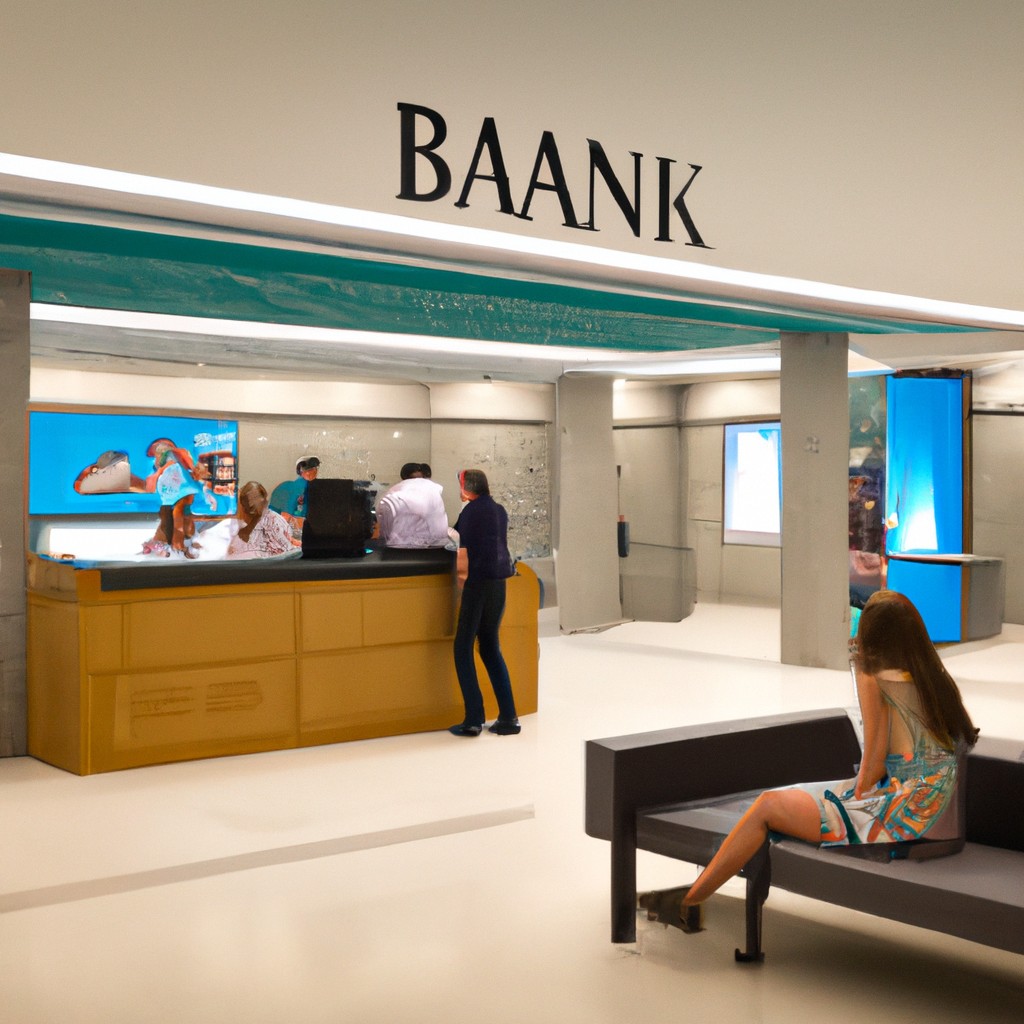
The banking industry in Italy is a significant sector that contributes to the country's economy. Italian banks offer a wide range of services, from traditional savings accounts to innovative digital banking solutions. They play a crucial role in providing financial support to businesses and individuals across Italy. Despite facing challenges such as economic fluctuations and regulatory changes, Italian banks have shown resilience and adaptability. In recent years, there has been a trend towards increasing digitization and expanding international presence. Customers benefit from a competitive market with a variety of options for banking services tailored to their needs. The future of banking in Italy looks promising, with continued growth and evolution.
Read more