Impact of neobanks on traditional banking sector

Neobanks revolutionize banking, offering digital services challenging traditional banks. They cater to tech-savvy consumers, providing seamless, personalized experiences. Traditional banks face competition, compelling them to modernize operations and enhance customer service. Neobanks emphasize convenience and efficiency, forcing traditional banks to adapt or risk losing market share. Customer expectations shift towards digital solutions, prompting traditional banks to invest in technology to remain competitive. Collaboration between neobanks and traditional banks could drive innovation and improve overall banking industry standards. The impact of neobanks on the traditional banking sector highlights the need for continual evolution and adaptation in the financial landscape.
Read more
Hostile takeovers in the banking sector

Hostile takeovers in the banking sector are aggressive attempts by one company to acquire another company forcefully. These takeovers often involve unfriendly tactics to gain control of the target company. Shareholders' interests may not be the top priority in such situations. Hostile takeovers can lead to layoffs and other negative impacts on employees. However, they can also result in increased profits and market share for the acquiring company. Regulatory bodies closely monitor such actions to protect the stability of the financial system. In the banking sector, hostile takeovers can have far-reaching consequences for both the companies involved and the industry as a whole.
Read more
Recovery in the investment banking sector

The investment banking sector's recovery post-pandemic has been gradual but steady. Market sentiments are improving, with a surge in new investments and mergers. Firms are adapting to the new normal, focusing on digital innovations and sustainable practices. Analysts predict a promising future for the sector, as economic activity rebounds worldwide. In the midst of challenges, resilience and strategic planning have been key drivers of success. With evolving regulations and customer demands, banks are reshaping their offerings to stay competitive. Collaboration and agility have become fundamental in navigating uncertainties and seizing opportunities for growth. The landscape is shifting, paving the way for a stronger and more dynamic investment banking industry.
Read more
Investment Banking Results of Morgan Stanley

Morgan Stanley's investment banking division reported exceptional results for the quarter. The team successfully executed diverse strategic transactions, driving substantial revenue growth. Clients praised the team's dedication, expertise, and service excellence. Market volatility was managed effectively, showcasing the team's resilience and adaptability. The division's performance exceeded expectations, demonstrating a strong competitive edge. Investors were impressed by the division's profitability and attention to detail. The team's collaborative approach and innovative solutions were key factors in their success. Morgan Stanley's investment banking division continues to set new benchmarks in the industry.
Read more
Impact of lower interest income on banking profits

Lower interest income can significantly reduce banking profits, affecting overall financial performance. When interest rates drop, banks earn less on loans and investments, resulting in decreased revenue. This income reduction can lead to lower net interest margins, impacting profitability. Banks may feel pressure to seek alternative revenue sources or cut costs to maintain profitability levels. Strategies to address this challenge may include diversifying revenue streams, improving operational efficiency, or adjusting pricing strategies. Additionally, banks may need to closely monitor interest rate trends and adjust their strategies accordingly to navigate the impact on their profits effectively.
Read more
Leadership in banking industry

Leadership in the banking industry is pivotal for fostering innovation and trust among stakeholders. Effective leaders exhibit strong communication skills and a clear vision for the future. They prioritize ethical decision-making and empower their teams to achieve success. In today's dynamic landscape, adaptability and resilience are essential qualities for banking leaders. By embracing digital advancements and promoting a culture of collaboration, they can navigate challenges and drive sustainable growth. Authentic leadership inspires confidence and fosters a culture of accountability and transparency. A successful banking leader is strategic, empathetic, and committed to driving positive change within the industry.
Read more
Impact of private equity on banking industry dynamics

The private equity sector's surge has transformed the banking industry by introducing innovation and competition. Bankers must adapt to changing market dynamics. Private equity investment infuses fresh capital into banks, fostering growth and expansion opportunities. Moreover, it incentivizes banks to streamline operations and improve efficiency to enhance profitability. Increased competition leads to better customer offerings and services. However, there are concerns about potential risks and conflicts of interest in this evolving landscape. Ultimately, the impact of private equity on the banking industry dynamics is profound and ongoing. Stakeholders need to navigate this shifting terrain with vigilance and strategic foresight to thrive in the changing financial landscape.
Read more
History of private equity in the banking sector

Private equity in the banking sector has a rich history. It dates back decades when investors acquired banks. This strategy aimed to revitalize struggling financial institutions and drive profitability. Private equity firms injected capital and expertise, leading to operational improvements. These investments transformed the banking landscape, shaping its trajectory. The evolution of private equity in banking reflects a dynamic relationship between finance and innovation. Successful ventures resulted in enhanced services and expansion opportunities. Despite challenges and regulatory hurdles, private equity continues to play a vital role in banking evolution. The marriage of financial acumen and strategic vision propels the industry forward.
Read more
Impact on the banking industry
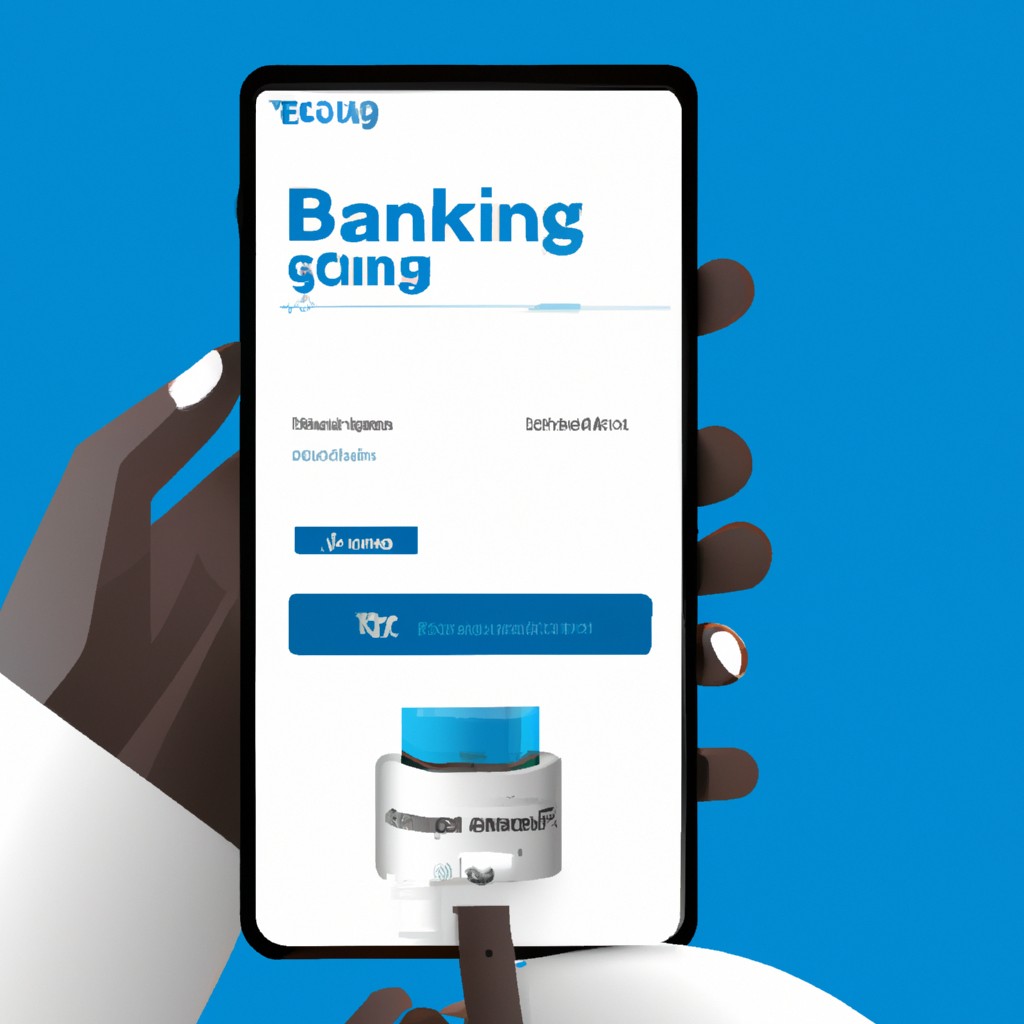
The digital revolution has transformed the banking sector, opening up new opportunities for customers. Traditional brick-and-mortar branches are gradually giving way to online banking services, offering convenience and accessibility. This shift has forced banks to adapt quickly to the fast-paced technological changes, investing in secure mobile banking apps and efficient online platforms. Customers now have instant access to their accounts, making transactions simpler and more convenient than ever before. The banking industry has witnessed a significant increase in online fraud and security threats, compelling banks to enhance their cybersecurity measures. Overall, the impact of technology on banking has been revolutionary, shaping a more customer-centric and efficient industry.
Read more
Impact of Moody’s downgrades on banking industry

Moody's downgrades can shake banking industry stability by causing uncertainty and investor concern. Banks face higher borrowing costs as ratings dictate trust levels with potential clients. Devaluing ratings challenge profitability, hindering growth opportunities and making strategic decisions difficult. Stock prices may plummet, impacting shareholders and employees alike. Customer trust can be compromised, leading to potential loss of deposits and investments. The risk of loan defaults may rise due to weakened financial conditions. Regulatory scrutiny intensifies, adding pressure on compliance and performance standards. Social and economic ramifications could extend to the broader financial ecosystem, triggering a ripple effect.
Read more