“Understanding deflation in economic terms

Understanding deflation in economic terms can be complex. It occurs when prices fall over time. In deflation, consumers delay spending, leading to reduced demand. Consequently, businesses lower prices to stimulate sales, which can trigger a harmful cycle. Deflation often indicates economic weakness and can cause unemployment to rise. Central banks may use monetary policy to combat deflation by lowering interest rates or increasing money supply. However, excessive deflation can have severe consequences, such as debt burdens and stagnant economic growth. It is crucial for policymakers to monitor deflation closely and take decisive action to prevent its negative impacts on the economy.
Read more
U.S. economic outlook

The U.S. economic outlook appears promising as indicators suggest gradual recovery from recent challenges. Businesses are adapting to changing market conditions, boosting employment opportunities. Consumer confidence is increasing, driving spending and investment. Government stimulus packages continue to support economic growth. Although uncertainties persist, resilience and innovation are key strengths driving the economy forward. As industries evolve and adapt to new norms, technological advancements offer opportunities for advancement. Adapting to shifting trends and consumer behaviors is crucial for sustained growth. Despite challenges, there is a sense of optimism as the nation navigates through a transformative economic landscape.
Read more
Impact of economic curbs on US-China relations

The economic restrictions between the US and China have escalated significantly, straining their diplomatic ties. Both countries impose tariffs and trade barriers on each other, leading to economic turmoil. Businesses face challenges in navigating this complex environment, affecting global supply chains. The political rhetoric from both sides adds fuel to the fire, creating a sense of uncertainty and distrust. The impact is far-reaching, with consumers feeling the pinch of higher prices and limited choices. As the two economic giants engage in a power struggle, the implications reverberate across international markets, influencing geopolitics and shaping the future of global economics.
Read more
Impact of economic conditions on consumer spending

Economic conditions profoundly influence how much consumers spend. In times of economic prosperity, people are more predisposed to splurge on non-essential items. Conversely, during economic downturns, consumers tend to cut back on discretionary spending to focus on necessities. Factors such as employment rates, wages, and inflation rates play a crucial role in shaping consumer behavior. When individuals feel financially secure, they are more likely to open their wallets without hesitation. Conversely, uncertainty about the economy can lead to cautious spending habits as people prioritize saving for unforeseen circumstances. Understanding these dynamics is key for businesses aiming to thrive in varying economic climates.
Read more
Economic collaboration between the U.S. and China

Economic collaboration between the U.S. and China is crucial for global stability and prosperity. Both countries are major economic powerhouses with significant influence on the world stage. By working together, they can address common challenges such as trade imbalances and geopolitical tensions. Enhancing cooperation in areas like technology, healthcare, and climate change can bring mutual benefits and foster understanding between the two nations. However, differences in ideologies and policies may pose hurdles to this collaboration. Finding common ground and building trust is essential to navigate these complexities and promote a harmonious relationship that contributes to the well-being of both nations and the world.
Read more
Economic implications of a potential recession in 2024

The specter of a looming recession in 2024 brings widespread concern across all economic sectors. Businesses brace for impact with anticipated declines in consumer spending. Unemployment figures risk exacerbation, imperiling job security for many workers. Investors navigate increased market volatility, intensifying financial uncertainty. Government policymakers face mounting pressure to implement preventive measures to avert the impending economic downturn. The potential recession threatens to strain social safety nets, stirring fears of heightened inequality. As the global economy teeters on the brink, resilience and adaptability emerge as vital attributes for individuals and organizations to endure the forthcoming storm.
Read more
Interest rate cuts as a tool to manage economic downturns
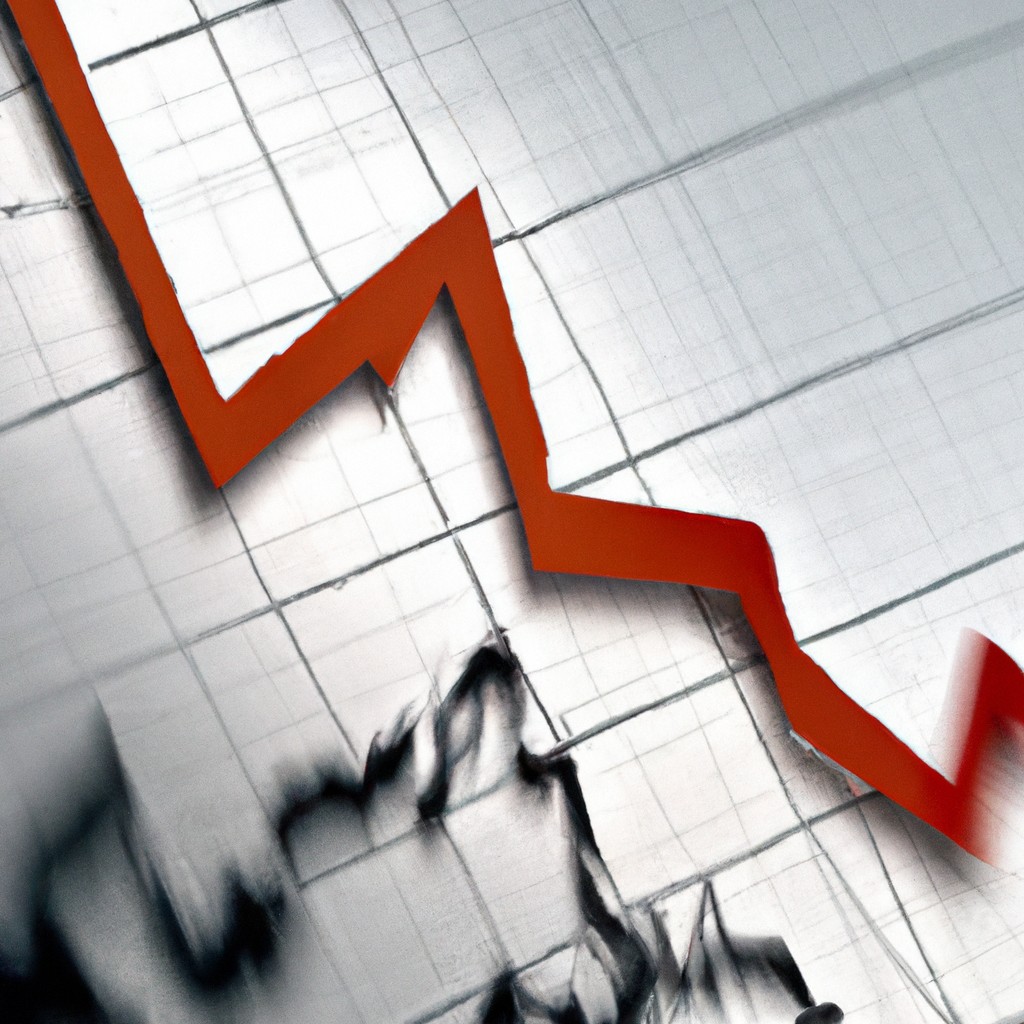
Interest rate cuts are a common strategy to stimulate economic growth during downturns. Central banks lower rates to encourage borrowing, spending, and investment by individuals and businesses. This can boost economic activity by making credit more affordable and incentivizing consumption. However, the effectiveness of rate cuts may vary depending on the overall economic conditions and the extent of the downturn. While lower rates can provide short-term relief, they may not address underlying issues causing the economic decline. It is essential for policymakers to carefully assess the situation and consider a combination of monetary and fiscal measures to effectively manage economic downturns.
Read more
Federal Reserve’s role in economic stabilization

The Federal Reserve plays a crucial role in stabilizing the economy through monetary policy. By adjusting interest rates, the Fed can influence borrowing, spending, and investing decisions. This, in turn, affects inflation and employment levels. When the economy is slowing down, the Fed can lower interest rates to encourage borrowing and stimulate economic activity. Conversely, when there are signs of inflation or economic overheating, the Fed may raise interest rates to cool down the economy. Through these actions, the Federal Reserve helps maintain a balance in the economy, ensuring long-term stability and sustainable growth for the benefit of all.
Read more
Economic reforms in China

Economic reforms in China have significantly transformed the country's economy over the past few decades. These reforms, initiated in the late 1970s, aimed to move China from a centrally planned economy to a more market-oriented one. As a result, China has enjoyed rapid economic growth, becoming one of the world's largest economies. These reforms have lifted millions of people out of poverty and improved living standards across the nation. However, challenges remain, including increasing inequality and environmental degradation. Despite these challenges, China's economic reforms continue to play a crucial role in shaping the country's future growth and development.
Read more
Comparison of Economic Policies under Biden and Trump
In analyzing economic policies, Biden prioritizes social programs while Trump promoted deregulation and tax cuts. The approach demonstrates a key contrast in their philosophies regarding government intervention in the economy. Biden's policies focus on bolstering healthcare, infrastructure, and education, aiming to address income inequality and support marginalized communities. Trump's policies centered around supporting businesses through tax breaks and reducing government oversight. These fundamental differences highlight the competing visions for the role of government in shaping the economy and the varying priorities for addressing societal challenges. Understanding these distinctions offers insights into the potential impact of each leader's economic agenda on individuals and the nation as a whole.
Read more